Nov . 27, 2024 20:41 Back to list
Comparing Graphite and Stainless Steel for Industrial Applications and Performanceetrtting
Graphite vs. Stainless Steel A Comparative Analysis
When it comes to engineering materials, graphite and stainless steel are two distinct options that offer unique properties suitable for various applications. Understanding the differences between them is crucial for engineers, manufacturers, and designers as they select materials for specific projects. This article delves into the characteristics, uses, advantages, and disadvantages of graphite and stainless steel, providing a comprehensive overview for those in the field.
Properties of Graphite
Graphite, a naturally occurring form of carbon, is known for its unique structure of layered hexagonal lattices. This structure grants graphite some remarkable properties
1. High Temperature Resistance Graphite can withstand extremely high temperatures, often exceeding 3000°C in inert atmospheres, making it an ideal choice for applications that require thermal stability.
2. Low Density Being lightweight, graphite is often preferred in applications where weight is a critical factor.
3. Lubrication Properties One of graphite’s most notable features is its natural lubricity. It is often used as a dry lubricant because it reduces friction between surfaces, making it invaluable in mechanical systems.
4. Good Electrical Conductivity Graphite’s structure allows it to conduct electricity, which makes it useful in electronic applications, such as electrodes in batteries and fuel cells.
Properties of Stainless Steel
Stainless steel, an alloy primarily composed of iron, chromium, and nickel, is renowned for its corrosion resistance and strength. Its properties include
1. Corrosion Resistance The addition of chromium forms a passive layer of chromium oxide on the surface, protecting the underlying metal from rust and corrosion.
3. Ductility It can be easily shaped and formed without breaking, allowing it to be used in a variety of manufacturing processes.
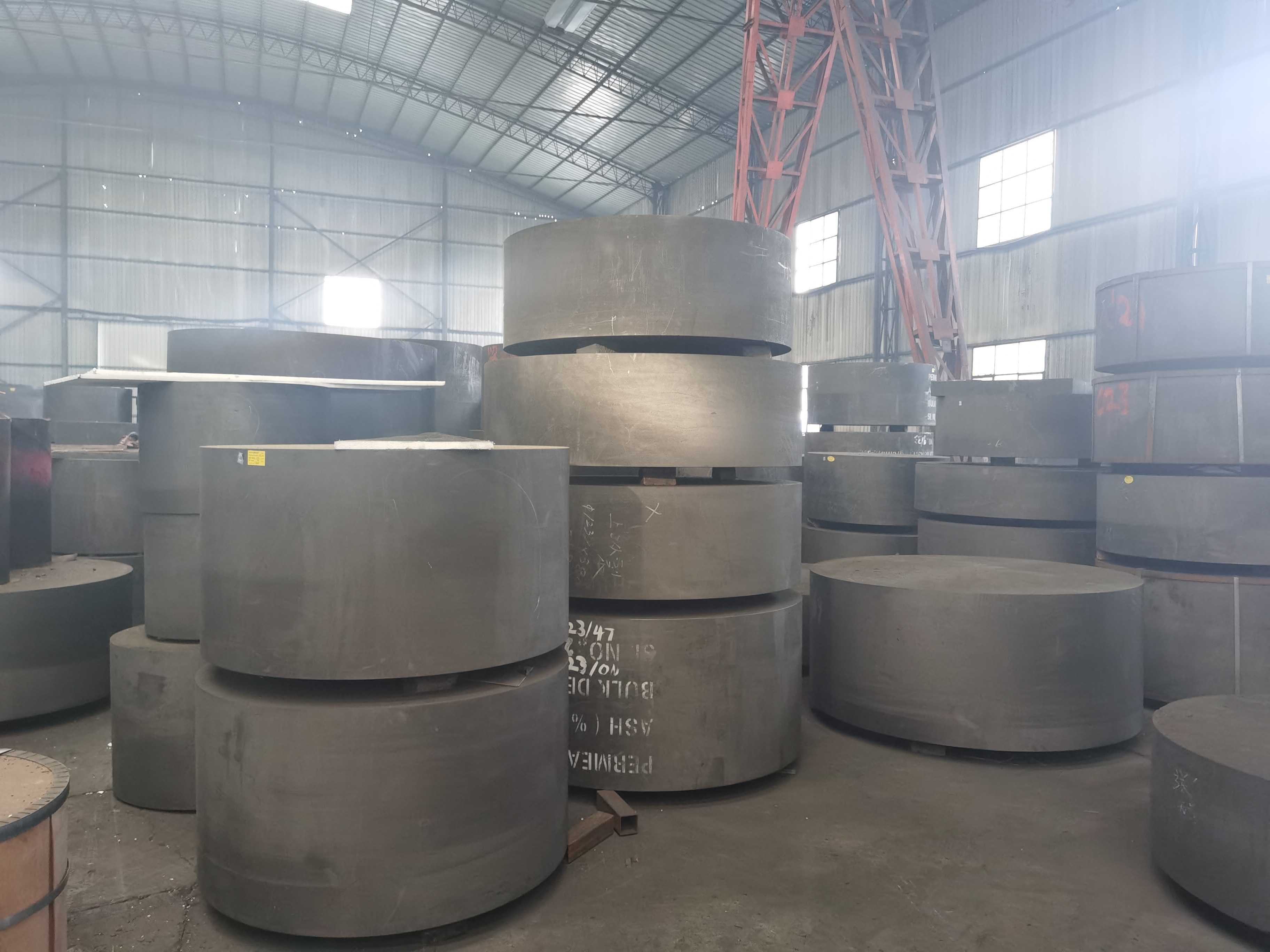
graphite vs stainless steel
4. Aesthetic Appeal The shiny, smooth surface of stainless steel often makes it a preferred material for visible components in design elements.
Applications
Both graphite and stainless steel have a wide range of applications, illustrating their versatility
- Graphite is commonly used in industries such as aerospace, nuclear power, and electronics. Its high thermal resistance makes it suitable for manufacturing heat shields, while its lubricating properties are exploited in automotive and machinery applications.
- Stainless steel dominates the food and beverage industry, medical instruments, and architectural design due to its corrosion resistance and ease of hygiene. It’s also widely used in construction and manufacturing because of its strength and durability.
Advantages and Disadvantages
Both materials have their advantages and disadvantages, making them suitable for different applications.
Advantages of Graphite - Excellent thermal and electrical conductivity. - Low friction properties suitable for lubricants. - Lightweight and flexible.
Disadvantages of Graphite - Brittle and prone to breaking under heavy loads. - Not suitable for applications requiring structural support. - Sensitive to moisture, which can impact performance.
Advantages of Stainless Steel - Exceptional strength and durability under a wide range of conditions. - Highly resistant to corrosion and staining. - Aesthetic versatility for design applications.
Disadvantages of Stainless Steel - Heavier than graphite, which may not be suitable for all applications. - Higher cost compared to basic steels, especially when alloying elements are involved. - Limited electrical conductivity compared to graphite.
Conclusion
In summary, the choice between graphite and stainless steel depends primarily on the application requirements. Graphite excels in environments where high temperatures and low friction are priorities, while stainless steel is the material of choice for its strength, corrosion resistance, and aesthetic qualities. By understanding the unique properties and potential uses of each material, industry professionals can make informed decisions that enhance the performance and longevity of their products. As technology advances and new applications emerge, both graphite and stainless steel will continue to play pivotal roles in engineering and design.
 Arabic
  English
  French
  German
  Japanese
  Korean
  Russian
  Spanish
  Vietnamese