-
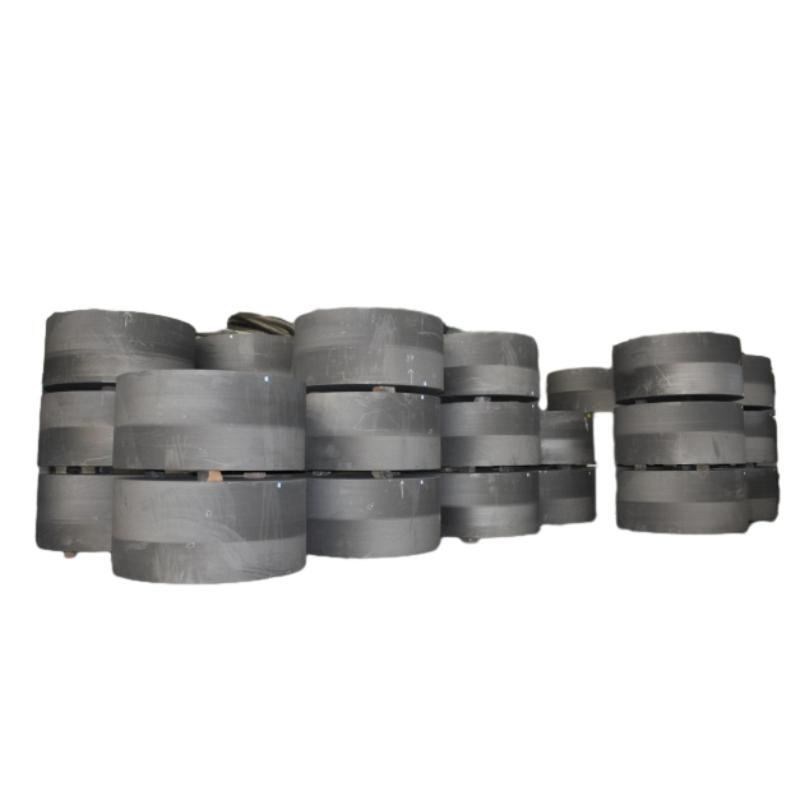
Maximizing Efficiency: The Advantages of UHP Graphite Electrodes in Aluminum Smelting
Aluminum smelting is a highly energy-intensive process that requires advanced technologies to optimize efficiency and reduce production costs. UHP (Ultra High Power) graphite electrodes have emerged as a key component in aluminum smelting operations, offering numerous advantages that contribute to improved productivity and sustainability in the industry.Read more -

Empowering Renewable Energy: UHP Graphite Electrodes in the Production of Silicon Photovoltaic Cells
Silicon photovoltaic (PV) cells are the cornerstone of solar energy generation, harnessing sunlight to produce clean and renewable electricity. UHP (Ultra High Power) graphite electrodes play a crucial role in the production of silicon PV cells, enabling manufacturers to produce high-quality solar panels with enhanced efficiency and performance.Read more -
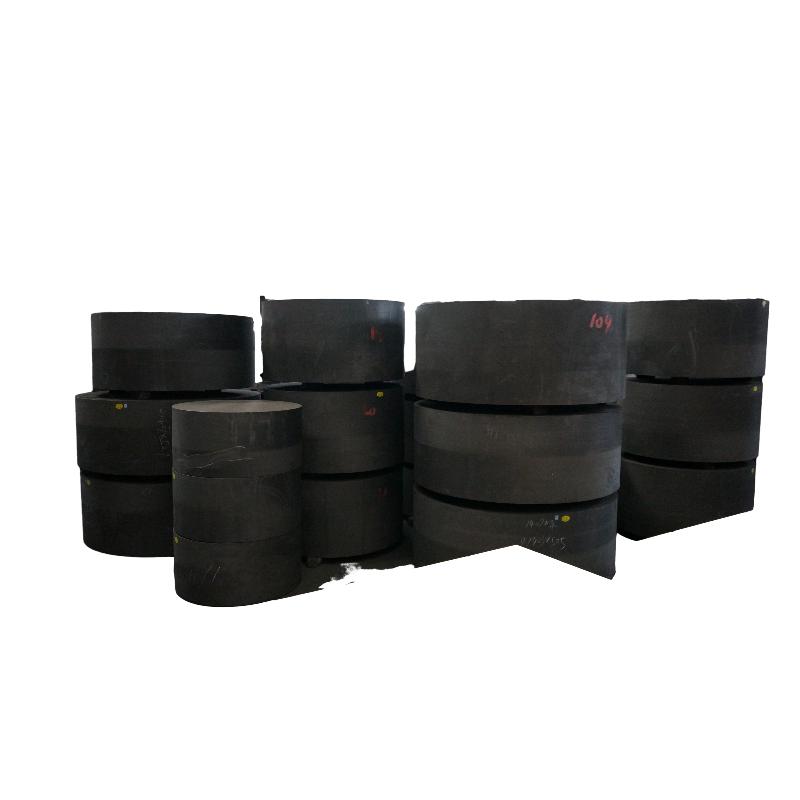
Revolutionizing Steel Production: The Role of UHP Graphite Electrodes
In the steel industry, innovation is key to driving efficiency and sustainability. UHP (Ultra High Power) graphite electrodes have emerged as a revolutionary technology, playing a crucial role in the production of high-quality steel.Read more -
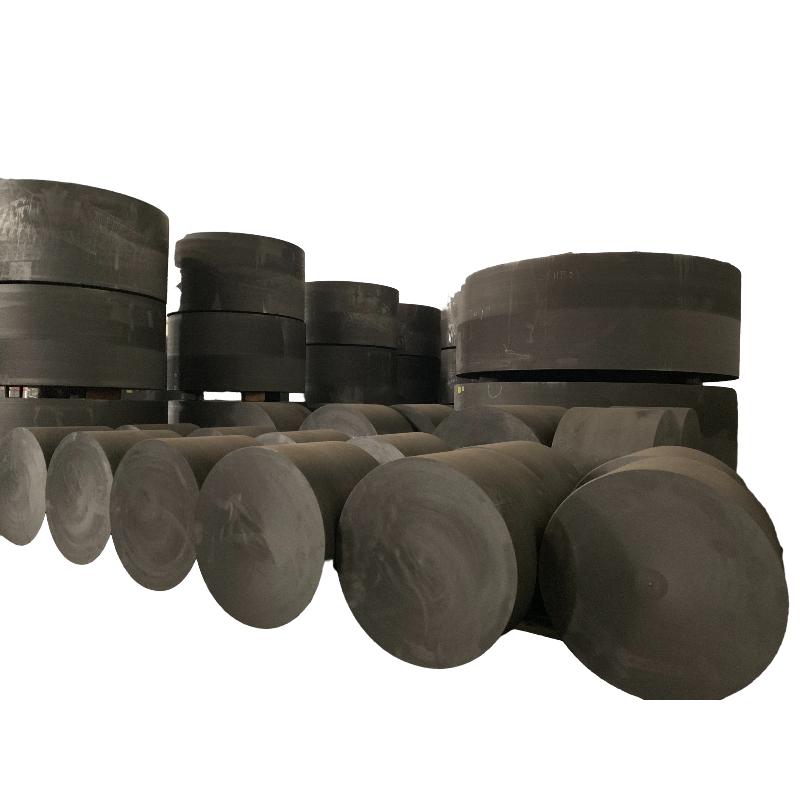
Properties of Graphite-rt4 graphite rod
Graphite is a crystalline form of carbon, typically occurring in metamorphic rocks as flakes or crystalline layers. It is formed by the metamorphosis of carbonaceous sediments. In nature, it is also found in igneous rocks, meteorites, and the mineral plumbago. Artificially, it can be prepared by heating powdered coke mixed with some sand and ferric oxide.Graphite is a covalent solid as its constituent carbon atoms are held strongly by covalent bonds. It is the most stable form of carbon, and when subjected to high pressure and temperature, it can turn into a diamond, but that takes millions of years. The properties of graphite differ from other covalent solids because of its structure.Read more -
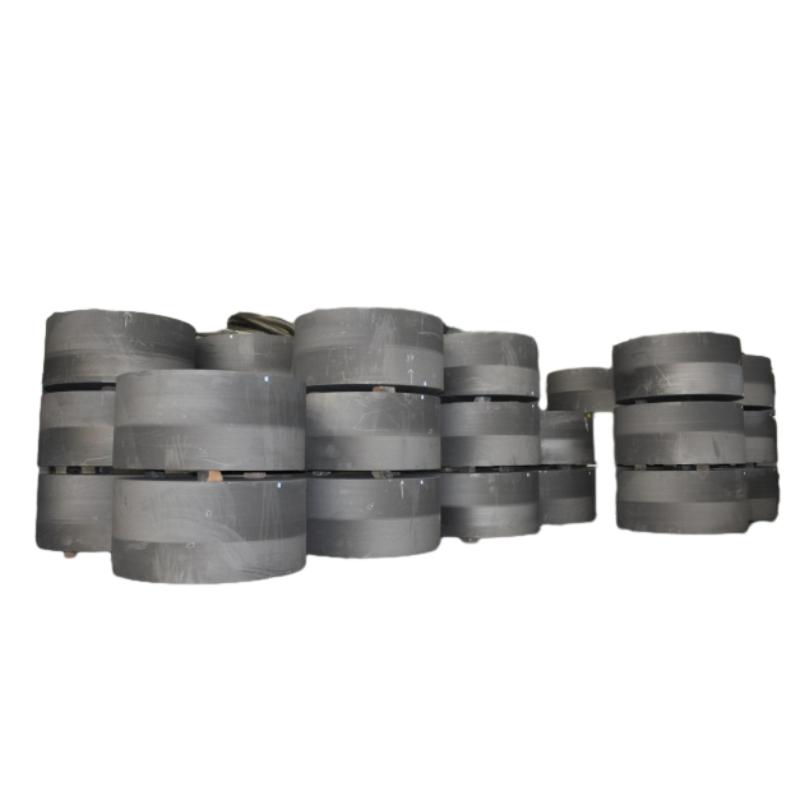
matrix carbon filter-graphite
Graphite has a layered structure that consists of rings of six carbon atoms arranged in widely spaced horizontal sheets. Graphite thus crystallizes in the hexagonal system, in contrast to diamond, another form of carbon, that crystallizes in the octahedral or tetrahedral system. Such pairs of differing forms of the same element usually are rather similar in their physical properties, but not so in this case. Graphite is dark gray to black, opaque, and very soft (with a Mohs scale hardness of 1.5), while diamond may be colorless and transparent and is the hardest naturally occurring substance (with a Mohs scale hardness of 10). Graphite is very soft because the individual layers of carbon atoms are not as tightly bound together as the atoms within the layer. It is an excellent conductor of heat and electricity. For detailed physical properties of graphite, see native element (table).Read more -
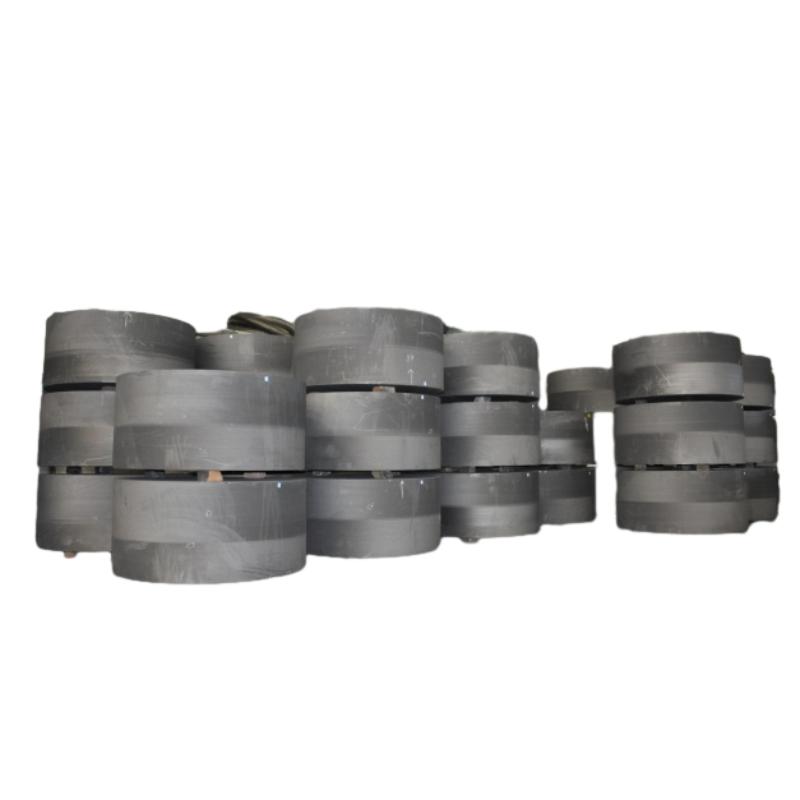
graphite catfish-How can graphite and diamond be so different?
Both diamond and graphite are made entirely out of carbon, as is the more recently discovered buckminsterfullerene (a discrete soccer-ball-shaped molecule containing carbon 60 atoms). The way the carbon atoms are arranged in space, however, is different for the three materials, making them allotropes of carbon. The differing properties of carbon and diamond arise from their distinct crystal structures.Read more -
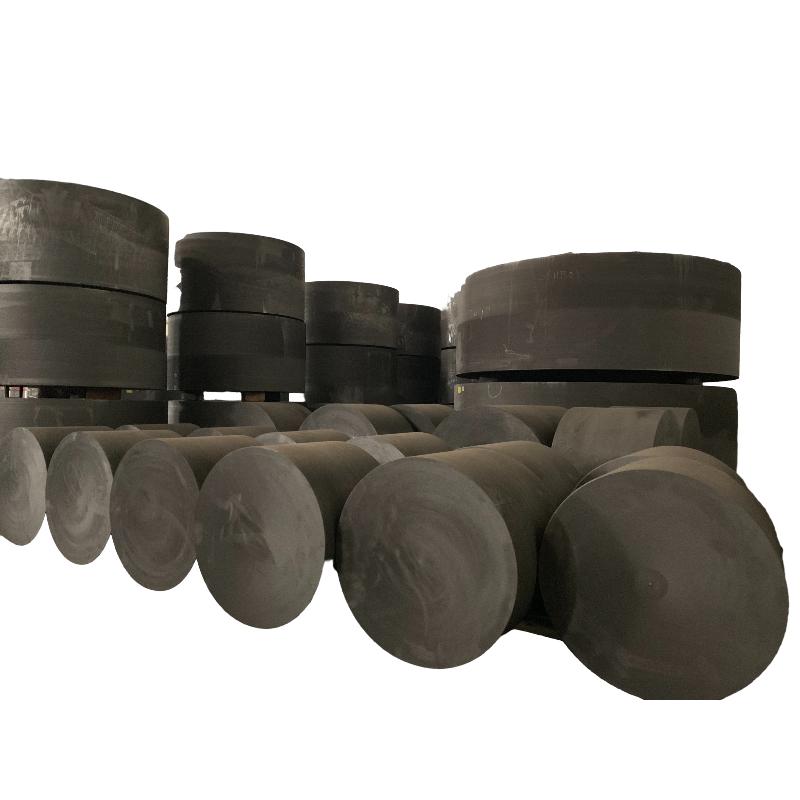
coconut shell activated charcoal powder-Graphite
Do you know what pencil leads are made of? You call it pencil "leads" but it's actually a material called Graphite. Did you know it is pure Carbon, and nothing else? In this article, you will learn more about Graphite, it's structure and properties, and it's ever more interesting uses.Graphite is formed naturally under high pressure and temperature conditions found between the Earth's crust and the Mantle. Graphite is found naturally in the China, Mexico, Canada, India, and Sri Lanka and some other countries.Read more -
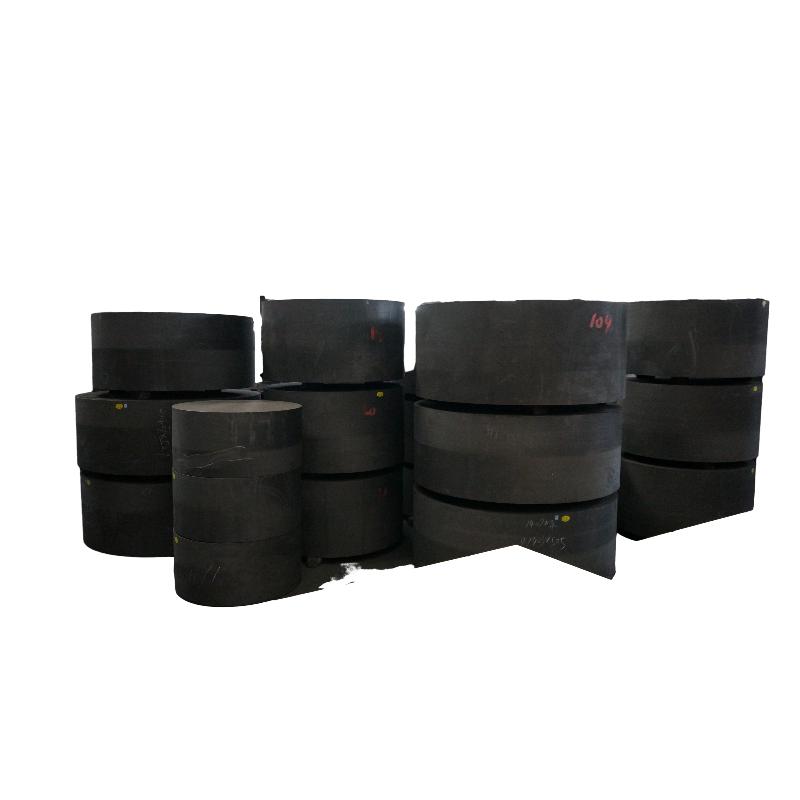
carbon granular filter-Silicon Dioxide, Diamond & Graphite (GCSE Chemistry)
Silicon Dioxide has a high melting and boiling point. The many covalent bonds in silica are very strong, therefore a large amount of energy is needed to break them therefore a high temperature is required.Silica is naturally found as sand. The majority of the sand on beaches is made up of silicon dioxide. Furthermore it is also found in limestone and as quartz in granite.Read more -
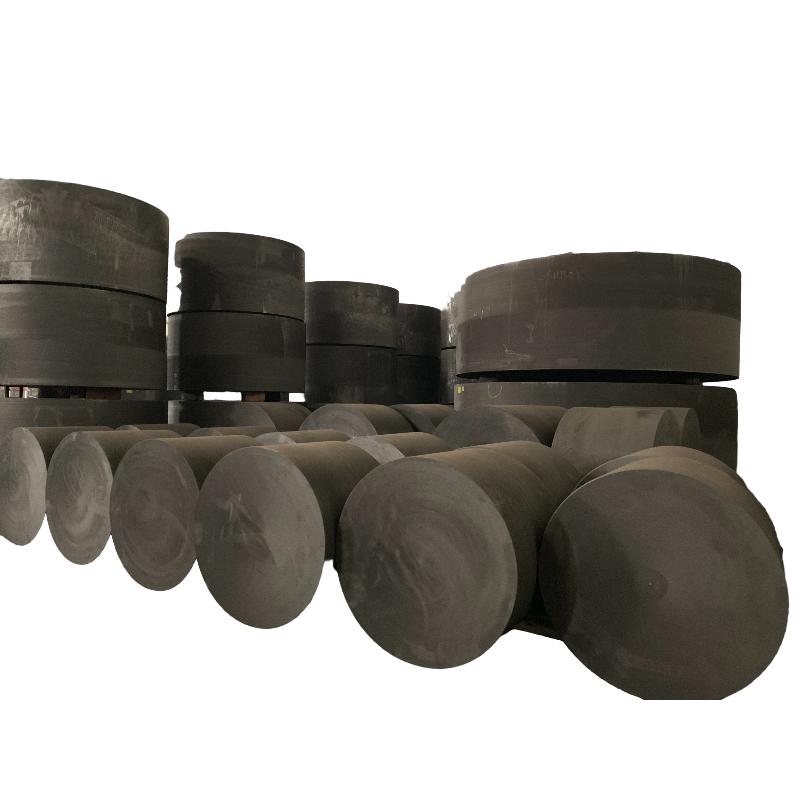
best graphite rods-Why Is Graphite Soft, But Diamond Is So Hard?
The different properties of graphite and diamond are due to the different arrangements of carbon atoms in their crystal structures. In diamond, the carbon atoms are arranged in a tetrahedral structure, while in graphite, the carbon atoms are arranged in 2D sheets. The different arrangements of carbon atoms result in different chemical and physical properties for the two allotropes.Diamond and graphite are two allotropes of the same element (carbon) and the differences in their properties are a result of the way their crystal structures are arranged. Both diamond and graphite are made of pure carbon, yet they have dramatic differences in their properties. As allotropes of the same element, you might expect them to share many similarities, but that simply isn’t the case.Read more
 Arabic
  English
  French
  German
  Japanese
  Korean
  Russian
  Spanish
  Vietnamese