Mar . 28, 2024 10:02 Back to list
graphite adhesive-What is carbon and graphite electrodes?
What is carbon and graphite electrodes?
Carbon and graphite electrodes are two different types of electrodes used in various industrial processes, particularly in metallurgy and electrical applications. They are both made from carbon materials, but they have different properties and applications due to differences in their composition and structure.
Composition: Carbon electrodes are typically made from a mixture of carbonaceous materials, including coal tar pitch and petroleum coke. The carbon content in these electrodes is generally lower than in graphite electrodes.
Properties and Applications:
* Carbon electrodes are used primarily in electric arc furnaces (EAFs) for the production of steel and other metals. They are also used in other high-temperature applications such as the production of calcium carbide and ferroalloys.
* They can withstand high temperatures and are resistant to thermal shock, making them suitable for use in the extreme conditions of EAFs.
Composition: Graphite electrodes are made from high-purity graphite, which is a crystalline form of carbon. These electrodes have a much higher carbon content compared to carbon electrodes.
Properties and Applications:
* Graphite electrodes are commonly used in electric arc furnaces (EAFs) and ladle furnaces for the production of steel and other metals. They are also used in electric arc furnaces for the production of ferroalloys, silicon metal, and other specialty alloys.
* Graphite electrodes have excellent electrical conductivity, high thermal resistance, and mechanical strength, making them suitable for use in the extreme conditions of EAFs.
* They have a longer lifespan compared to carbon electrodes and are more efficient for high-temperature applications.
In summary, both carbon and graphite electrodes are used as conductive materials in industrial processes, but their specific applications and properties vary. Carbon electrodes are generally less expensive but have limitations in terms of lifespan and electrical conductivity. Graphite electrodes, on the other hand, offer superior performance in high-temperature and high-current applications but are typically more expensive. The choice between the two depends on the specific requirements of the industrial process and cost considerations.
Carbon Electrodes:
Composition: Carbon electrodes are typically made from a mixture of carbonaceous materials, including coal tar pitch and petroleum coke. The carbon content in these electrodes is generally lower than in graphite electrodes.
Properties and Applications:
* Carbon electrodes are used primarily in electric arc furnaces (EAFs) for the production of steel and other metals. They are also used in other high-temperature applications such as the production of calcium carbide and ferroalloys.
* They can withstand high temperatures and are resistant to thermal shock, making them suitable for use in the extreme conditions of EAFs.
* Carbon electrodes are less expensive than graphite electrodes but have a shorter lifespan and lower electrical conductivity.
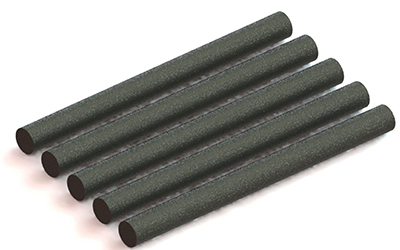
Graphite Electrodes:
Composition: Graphite electrodes are made from high-purity graphite, which is a crystalline form of carbon. These electrodes have a much higher carbon content compared to carbon electrodes.
Medium and Coarse Grain---Special Graphite Block/Round

Properties and Applications:
* Graphite electrodes are commonly used in electric arc furnaces (EAFs) and ladle furnaces for the production of steel and other metals. They are also used in electric arc furnaces for the production of ferroalloys, silicon metal, and other specialty alloys.
* Graphite electrodes have excellent electrical conductivity, high thermal resistance, and mechanical strength, making them suitable for use in the extreme conditions of EAFs.
* They have a longer lifespan compared to carbon electrodes and are more efficient for high-temperature applications.
In summary, both carbon and graphite electrodes are used as conductive materials in industrial processes, but their specific applications and properties vary. Carbon electrodes are generally less expensive but have limitations in terms of lifespan and electrical conductivity. Graphite electrodes, on the other hand, offer superior performance in high-temperature and high-current applications but are typically more expensive. The choice between the two depends on the specific requirements of the industrial process and cost considerations.
Latest news
 Vietnamese
  English
  Arabic
  French
  German
  Japanese
  Korean
  Russian
  Spanish