Sep . 24, 2024 17:22 Back to list
Analysis of RIT Dye Graphite Outcomes and Their Implications in Material Science
Understanding RIT Dye Graphite Results A Deep Dive
In recent years, the application of RIT (Rochester Institute of Technology) dye in conjunction with graphite has gained traction in various fields, including material science, electronics, and environmental studies. The results obtained from RIT dye graphite experiments reveal significant insights into the properties and behaviors of these materials, thus paving the way for innovative applications.
Understanding RIT Dye Graphite Results A Deep Dive
The RIT dye graphite results typically focus on three main aspects the absorption characteristics of the dye, the dispersion quality in a graphite matrix, and the overall stability of the composite material under various environmental conditions. Firstly, the absorption characteristics of RIT dye are critical in understanding how it can effectively bond with graphite. The wavelength of light absorption varies with different dye formulations, allowing researchers to tailor these properties for specific applications, such as sensor technology or photovoltaics.
rit dye graphite results
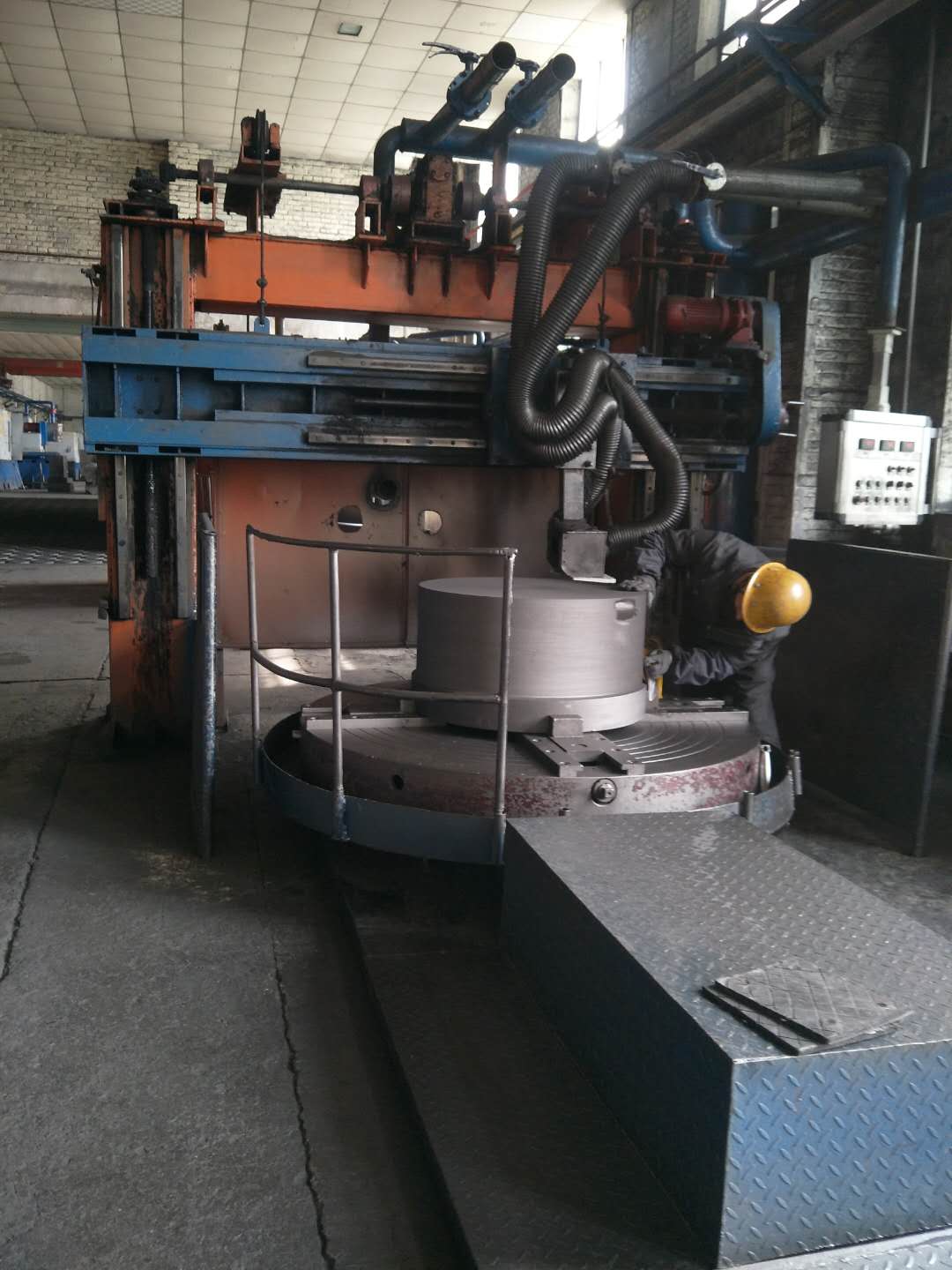
Secondly, the stability and dispersion of the dye in the graphite matrix are paramount. Achieving a uniform distribution of dye throughout the graphite enhances the performance traits of the composite. Researchers meticulously analyze this aspect through various methods, including sonication and heat treatment, to ensure that the dyes integrate well without agglomerating or settling, which could impede functionality.
Lastly, the environmental resilience of RIT dye graphite composites is a key focus area. Studies often involve exposing the materials to different temperatures, humidity levels, and UV light to assess their durability. The results of these tests can lead to advancements in creating composites that not only perform effectively in standard conditions but also withstand harsh environments, making them suitable for outdoor applications or in challenging industrial settings.
In conclusion, the exploration of RIT dye graphite results offers valuable insights into the potential synergies between color and material science. As research continues to unfold, these composites promise to open new avenues in technology and material design, from enhanced sensors to innovative energy solutions. The journey of merging vibrant dyes with robust materials is only just beginning, and its implications are far-reaching in both scientific and practical contexts.
 Vietnamese
  English
  Arabic
  French
  German
  Japanese
  Korean
  Russian
  Spanish