Jul . 26, 2024 00:08 Back to list
Effects of Aluminum Oxide Corrosion on Graphite Performance in Various Applications and Conditions
Aluminum Oxide Corrosive Effects on Graphite
Aluminum oxide, commonly referred to as alumina, is a chemical compound with significant industrial importance, known for its hardness and resistance to wear and corrosion. Its applications range from the manufacture of ceramics and abrasives to the production of aluminum metal. However, an interesting aspect of aluminum oxide is its potential corrosive effects on graphite, a material widely used in various applications due to its electrical conductivity and thermal resistance.
Graphite is a form of carbon that exhibits unique structural properties, making it valuable in many industrial applications, including batteries, lubricants, and as a moderator in nuclear reactors. While both aluminum oxide and graphite are prevalent materials in ceramics and metal industries, their interactions are not well-understood, particularly in environments where they may come into contact with each other.
Aluminum Oxide Corrosive Effects on Graphite
The corrosive behavior of aluminum oxide towards graphite can be attributed to several mechanisms. One is the chemical reactivity of aluminum ions in the presence of water. When moisture is available, aluminum ions can leach from the aluminum oxide structure and interact with the graphite, leading to the formation of compounds that can destabilize the graphite structure. This interaction can weaken the bonds between the carbon atoms in the graphite, resulting in physical erosion and degradation.
aluminum oxide corrosive to graphite
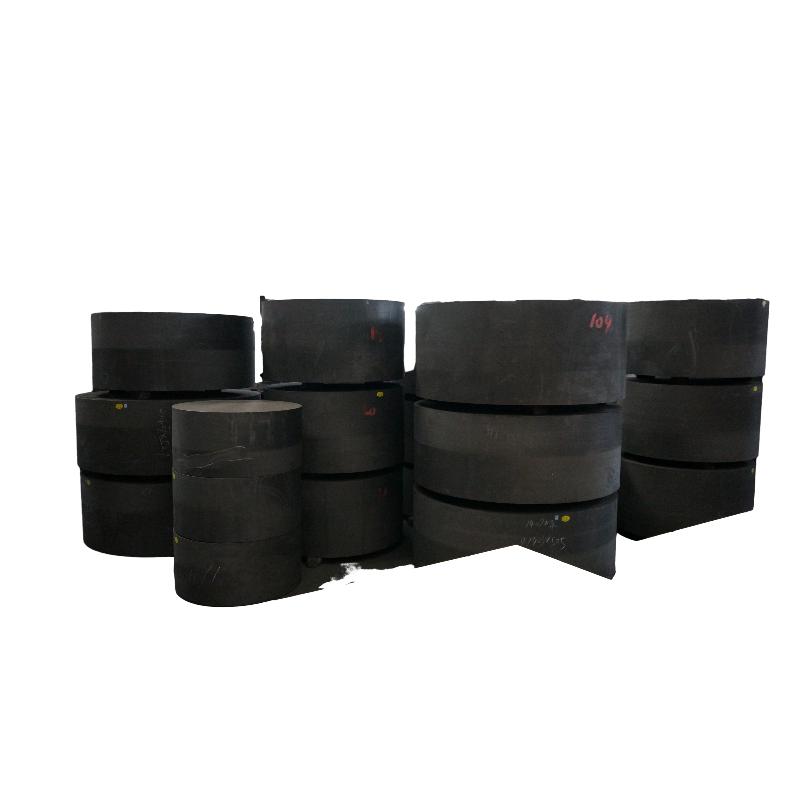
Additionally, the abrasive nature of aluminum oxide as a particulate material can also contribute to the wear and tear of graphite surfaces. In applications where both materials are subjected to mechanical stress or friction, the hardness of aluminum oxide can cause it to wear down graphite surfaces, further exacerbating the degradation process. This mechanical interaction can significantly reduce the lifespan of graphite components, particularly in industries where reliability and durability are crucial.
Preventing corrosion of graphite by aluminum oxide requires careful consideration of material compatibility in various applications. In situations where both materials are used, it is essential to implement protective measures. Coatings, for example, can provide a barrier between aluminum oxide and graphite, reducing the likelihood of corrosive interactions. Moreover, selecting appropriate environmental conditions that minimize moisture exposure can also be beneficial in preserving the integrity of graphite.
Research into the corrosive effects of aluminum oxide on graphite is essential for the continued improvement of material performance in industrial settings. Understanding the specific conditions under which corrosion occurs can lead to better material selections and design choices that enhance the longevity and reliability of graphite components exposed to aluminum oxide.
In conclusion, while the combination of aluminum oxide and graphite can be advantageous in various applications, it is essential to be aware of the potential corrosive interaction between the two materials. By prioritizing compatible materials and protective measures, industries can mitigate the corrosive effects of aluminum oxide on graphite, ultimately ensuring better performance and longevity of critical components. As our understanding of these interactions improves, more effective strategies can be developed to address the challenges posed by corrosion in material science, leading to enhanced industrial processes and applications.
 Vietnamese
  English
  Arabic
  French
  German
  Japanese
  Korean
  Russian
  Spanish