Feb . 19, 2025 03:38 Back to list
what are uses for graphite
Graphite has long fascinated researchers, industrialists, and scientists with its unique properties and versatile uses. As an allotrope of carbon, graphite exhibits exceptional characteristics that make it a valuable resource across various sectors. From its role in advanced technologies to its presence in everyday products, the applications of graphite are diverse and innovative.
Moreover, graphite is making waves in the field of advanced materials science. Expanded graphite and graphene, derived from graphite, are leading a revolution in material innovation. Expanded graphite's ability to enhance the mechanical strength and thermal properties of composite materials is leading to its increased use in aerospace and automotive industries. Meanwhile, graphene, touted for its remarkable strength and conductivity, holds promise for next-generation technology, including high-speed electronics and advanced sensors. These developments demonstrate graphite's pivotal role in driving forward cutting-edge research and industrial application. Graphite is also crucial for lubrication. Its naturally slippery surface reduces friction between moving parts and thus is widely used in applications where liquid lubricants are impractical. In environments with extreme conditions, such as space exploration or deep-sea drilling, graphite-based lubricants provide reliable and efficient solutions. This feature is particularly important for machinery in remote or challenging locations, where maintenance opportunities are limited. The environmental aspect of graphite is gaining attention, especially its potential sustainability. Natural graphite is being explored as a more eco-friendly alternative to synthetic materials in various applications, offering similar benefits without the environmental cost associated with synthetic production. As industries move towards more sustainable practices, graphite's potential for eco-compatibility further enhances its appeal as a resource. In conclusion, graphite is much more than just a mineral static in its state; it is a dynamic resource critical to advancing technology and industrial efficiency. Its applications span from energy solutions and high-temperature materials to electronic advancements and sustainable practices. As research and technology continue to evolve, the uses of graphite are expected to expand, reinforcing its position as an essential component in both current and future innovations. The versatility and utility of graphite underscore its significance as an invaluable material that continues to enable technological and industrial advancements.

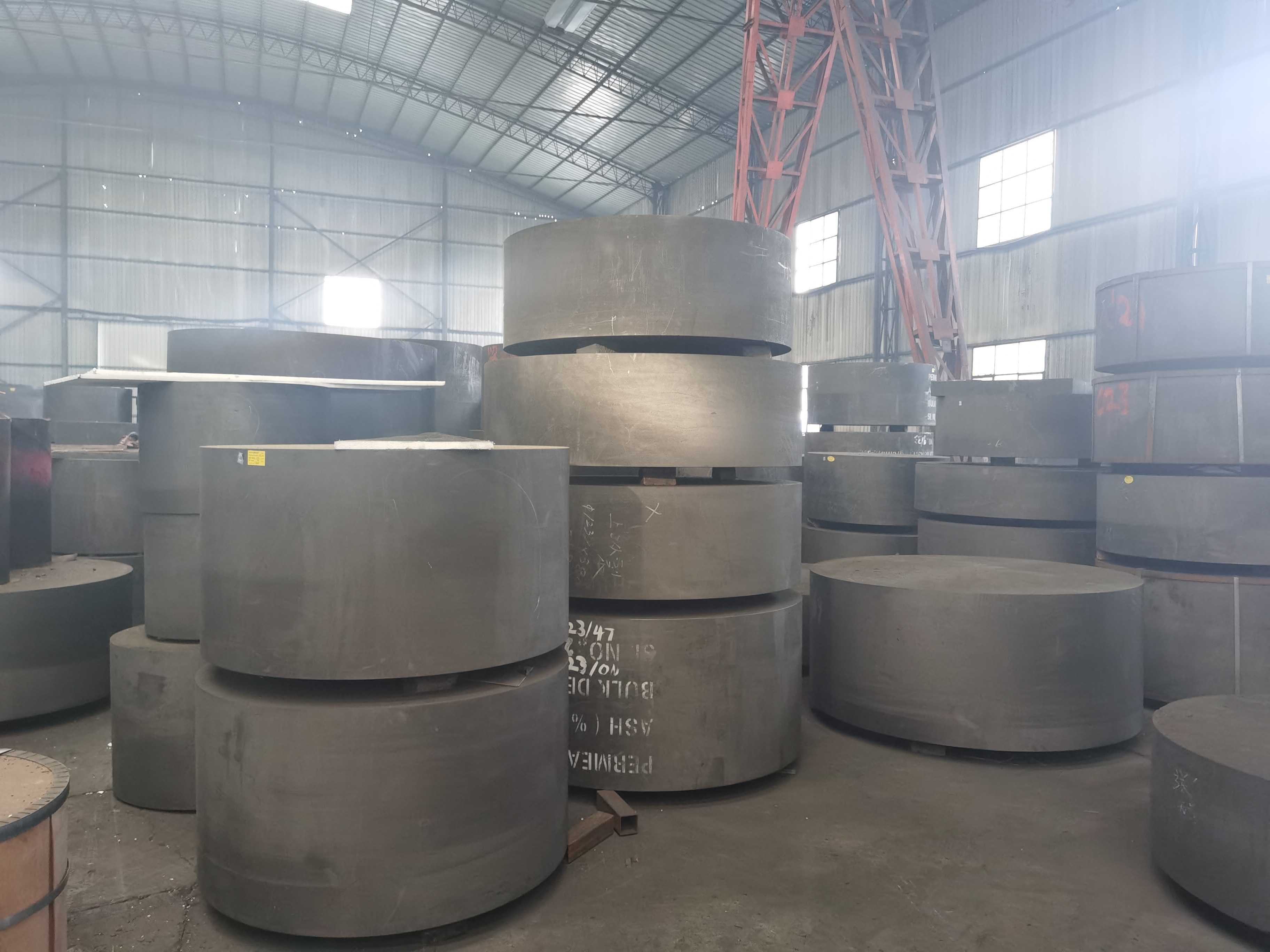
Moreover, graphite is making waves in the field of advanced materials science. Expanded graphite and graphene, derived from graphite, are leading a revolution in material innovation. Expanded graphite's ability to enhance the mechanical strength and thermal properties of composite materials is leading to its increased use in aerospace and automotive industries. Meanwhile, graphene, touted for its remarkable strength and conductivity, holds promise for next-generation technology, including high-speed electronics and advanced sensors. These developments demonstrate graphite's pivotal role in driving forward cutting-edge research and industrial application. Graphite is also crucial for lubrication. Its naturally slippery surface reduces friction between moving parts and thus is widely used in applications where liquid lubricants are impractical. In environments with extreme conditions, such as space exploration or deep-sea drilling, graphite-based lubricants provide reliable and efficient solutions. This feature is particularly important for machinery in remote or challenging locations, where maintenance opportunities are limited. The environmental aspect of graphite is gaining attention, especially its potential sustainability. Natural graphite is being explored as a more eco-friendly alternative to synthetic materials in various applications, offering similar benefits without the environmental cost associated with synthetic production. As industries move towards more sustainable practices, graphite's potential for eco-compatibility further enhances its appeal as a resource. In conclusion, graphite is much more than just a mineral static in its state; it is a dynamic resource critical to advancing technology and industrial efficiency. Its applications span from energy solutions and high-temperature materials to electronic advancements and sustainable practices. As research and technology continue to evolve, the uses of graphite are expected to expand, reinforcing its position as an essential component in both current and future innovations. The versatility and utility of graphite underscore its significance as an invaluable material that continues to enable technological and industrial advancements.
Latest news
 Russian
  English
  Arabic
  French
  German
  Japanese
  Korean
  Spanish
  Vietnamese