Nov . 22, 2024 21:18 Back to list
graphite export ban
The Graphite Export Ban Implications and Opportunities
In recent months, the global market has been abuzz with discussions surrounding the graphite export ban initiated by several key producing countries
. This significant policy shift is poised to reshape the dynamics of the graphite supply chain, impacting industries reliant on this critical mineral, particularly the electric vehicle (EV) and battery sectors.Graphite, known for its remarkable conductivity and thermal resistance, plays a vital role in the production of lithium-ion batteries, which are the cornerstone of modern electric vehicles. As the world shifts toward sustainable energy solutions and green technologies, the demand for graphite has surged exponentially. This increased demand has led several countries, including China, which dominates global graphite production, to consider export restrictions as a means to secure domestic supply and bolster their own industries.
The graphite export ban presents both challenges and opportunities. On one hand, manufacturers and companies that depend on imported graphite may face supply chain disruptions, leading to increased costs and potential delays in production. The automotive industry, for example, is heavily reliant on a stable supply of graphite for battery production. A sudden shortage could impede the transition to electric vehicles, delaying efforts to combat climate change.
Furthermore, the export ban could exacerbate existing geopolitical tensions. Countries that rely on graphite imports may seek alternative sources, leading to increased competition and potential conflicts over mineral rights in regions where graphite deposits are located. This could further complicate international relations and introduce volatility in global markets.
graphite export ban
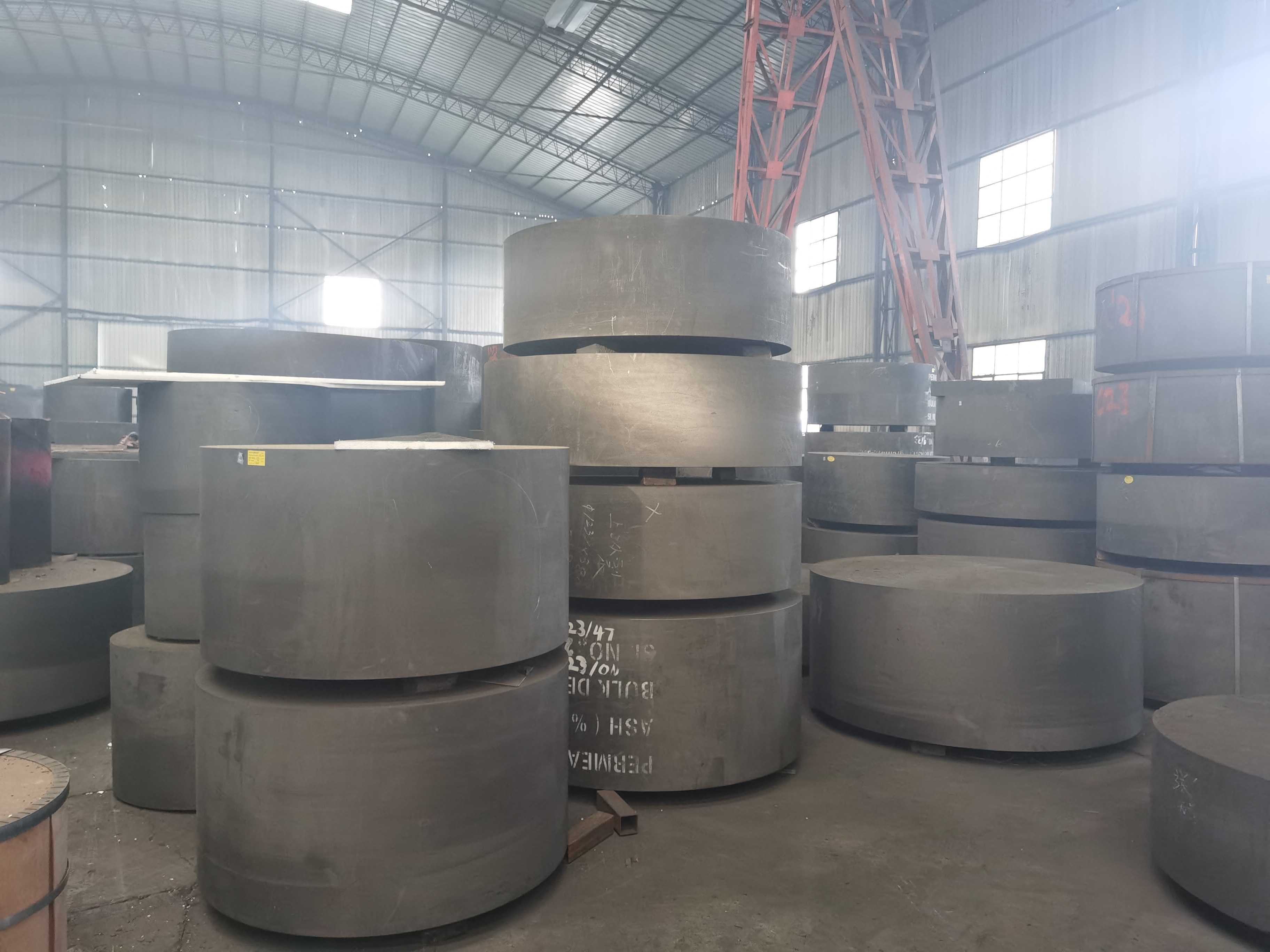
However, the export ban also opens the door to numerous opportunities. For one, it could stimulate domestic production in countries previously reliant on imports. Nations like the United States and Canada, which possess substantial graphite reserves, may ramp up mining operations to meet local demand. This shift could lead to the establishment of new jobs and growth in the mining sector.
Moreover, the ban encourages innovation in the recycling and reuse of graphite, a critical consideration given the increasing pressure to adopt circular economy principles. Companies may invest more in research and development to find sustainable alternatives or methods to recycle used graphite from batteries, minimizing waste and reducing the reliance on newly extracted materials.
The export ban could also prompt collaborative efforts among countries seeking to diversify their supply chains. Nations may recognize the importance of establishing strategic partnerships to ensure a stable graphite supply, leading to cooperative agreements and trade partnerships that could enhance resilience against future disruptions.
For businesses and investors, this evolving landscape presents a unique opportunity to explore alternative investments in graphite mining, processing, and recycling. Companies that position themselves strategically within this shifting market could capitalize on the growing demand for sustainable and ethically sourced materials.
In conclusion, the graphite export ban is a multifaceted issue that carries significant implications for the global market. While it poses challenges for industries dependent on graphite, it also encourages domestic production, innovation in recycling, and international collaboration. As the world continues to navigate the transition toward a sustainable future, stakeholders must adapt and seize the opportunities that arise within this changing landscape. The path forward will require flexibility, creativity, and a commitment to sustainable practices to ensure that the evolving demand for graphite is met responsibly and efficiently.
 Russian
  English
  Arabic
  French
  German
  Japanese
  Korean
  Spanish
  Vietnamese