Oct . 21, 2024 12:18 Back to list
A Step-by-Step Guide to Creating Graphite for Pencils
How to Make Pencil Graphite
Pencil graphite is a fascinating material that has played a crucial role in art, engineering, and daily writing for centuries. While we often take it for granted, the process of making graphite for pencils is a blend of science and art, involving careful selection of materials, precise manufacturing methods, and a thorough understanding of the desired characteristics of the final product. In this article, we will explore the journey of creating pencil graphite—from raw materials to finished product.
Understanding Graphite
Graphite is a form of carbon that is known for its excellent lubricating properties, electrical conductivity, and resistance to heat. These traits make it an exceptional material for pencil leads. Unlike traditional lead, which is toxic, graphite is safe for use in pencils, allowing for the production of high-quality writing instruments that are widely used around the world.
Raw Materials
The primary raw materials for making pencil graphite include natural graphite, clay, and various additives. Natural graphite can be obtained from mines, where it is extracted and processed. The types of natural graphite vary based on the size of the flakes and purity—these factors significantly influence the quality of the pencil lead.
Clay, usually kaolin clay, is combined with graphite to bind the materials together and to control the hardness of the pencil lead
. Additives, such as wax or special oils, may also be incorporated to enhance the texture and performance of the graphite.The Manufacturing Process
1. Grinding and Sifting The first step in manufacturing pencil graphite involves finely grinding the natural graphite. This is crucial to achieving a uniform particle size, which directly affects the pencil's smoothness and durability. Once ground, the graphite is sifted to remove any large particles, ensuring a consistent texture.
how to make pencil graphite
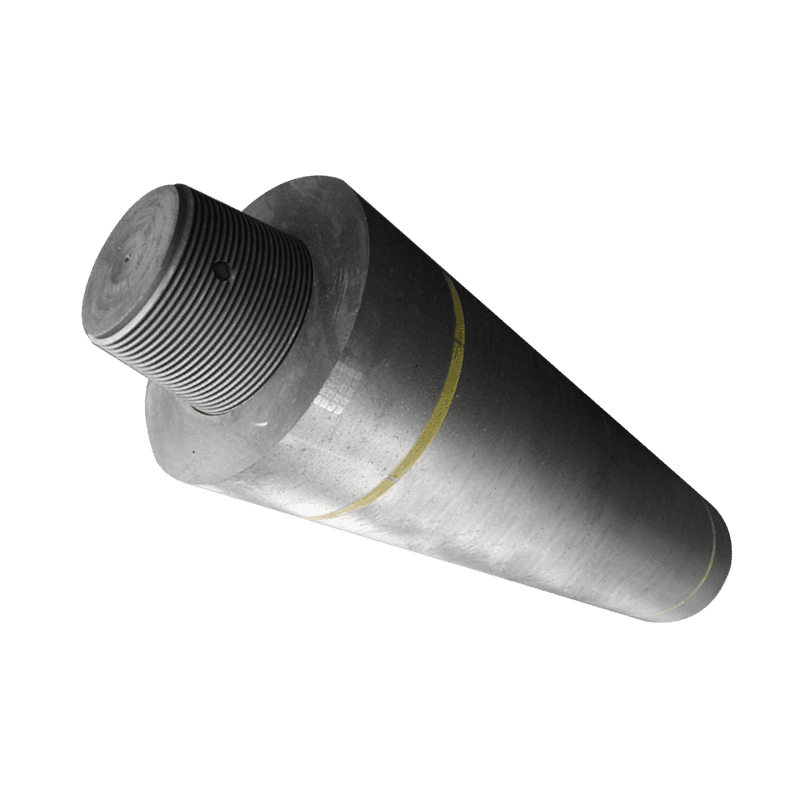
2. Mixing The sifted graphite is then mixed with clay and any desired additives in precise ratios. The proportion of graphite to clay determines the hardness or softness of the finished pencil. For example, a higher graphite content will yield a softer lead, suitable for darker lines, while more clay will create a harder pencil, ideal for fine, detailed work.
3. Molding After mixing, the material is moistened to form a pliable paste. This paste is then shaped into thin rods or leads through various molding techniques. The rods must be uniform in size and density to ensure consistent writing performance across each pencil.
4. Drying The molded leads undergo a drying process, typically in a controlled environment, to remove excess moisture. This step is crucial as it prepares the leads for firing, which will harden them. Proper drying helps to minimize cracking and warping during the subsequent firing stage.
5. Firing The dried leads are then fired in a kiln at high temperatures (around 1200 to 1500 degrees Celsius). This process transforms the paste into solid graphite through a process called sintering. During firing, the organic materials in the clay burn away, allowing the graphite particles to fuse together and gain strength.
6. Finishing Touches After firing, the leads are cooled down and inspected for quality. Any imperfections are removed, and the leads are cut to the desired lengths. At this stage, they may also be coated with a special finish to enhance their performance.
Final Assembly
Once the graphite leads are completed, they are assembled into pencils. This involves encasing the graphite in wooden or mechanical casings. Wooden pencils are typically made from cedar or other types of softwood, which allow for easy sharpening. For mechanical pencils, the leads are designed to fit snugly into the casing, allowing users to extend or retract them as needed.
Conclusion
The process of making pencil graphite is an intricate dance of materials, chemistry, and craftsmanship. From the raw graphite to the finished pencil, every step is essential in producing a reliable tool for writing and art. Understanding this process not only deepens our appreciation for something as commonplace as a pencil but also highlights the innovation and skill required to create this indispensable item. Whether you are sketching a masterpiece or jotting down notes, remember the journey of graphite from mine to pencil—it is a testament to human ingenuity and creativity.
 Korean
  English
  Arabic
  French
  German
  Japanese
  Russian
  Spanish
  Vietnamese