Nov . 08, 2024 12:27 Back to list
Exploring the Characteristics and Applications of TFC 189 Graphite Innovation
Understanding the Importance of TFC 189 Graphite in Modern Applications
Graphite has long been recognized for its unique properties, making it an essential material in various industrial applications. One such specific grade of graphite gaining traction is TFC 189 graphite. This article aims to delve into the attributes of TFC 189 graphite, its production process, and its applications, underscoring why it is becoming a preferred choice across different sectors.
What is TFC 189 Graphite?
TFC 189 graphite is a high-purity, synthetic graphite type known for its exceptional electrical conductivity, thermal stability, and mechanical strength. Synthesized through a complex process that involves the heating of carbon-containing materials at high temperatures, TFC 189 preserves the advantageous properties of natural graphite while overcoming some of its limitations, such as impurities that can affect performance in high-demand applications.
Properties of TFC 189 Graphite
1. Electrical Conductivity One of the standout features of TFC 189 graphite is its high electrical conductivity. This characteristic makes it an ideal choice for components used in electrical applications, such as electrodes and electrodes in batteries. Its ability to conduct electricity efficiently contributes to improved energy performance in various systems.
2. Thermal Stability TFC 189 graphite can withstand high temperatures without degrading, making it suitable for applications exposed to extreme heat conditions. This thermal stability is crucial for industries such as aerospace, where materials frequently encounter drastic temperature changes.
3. Mechanical Strength The structural integrity of TFC 189 graphite ensures it remains robust under stress. Its high tensile strength allows it to be utilized in components that require not only flexibility but also resilience, such as in automotive and construction applications.
Production Process
tfc 189 graphite
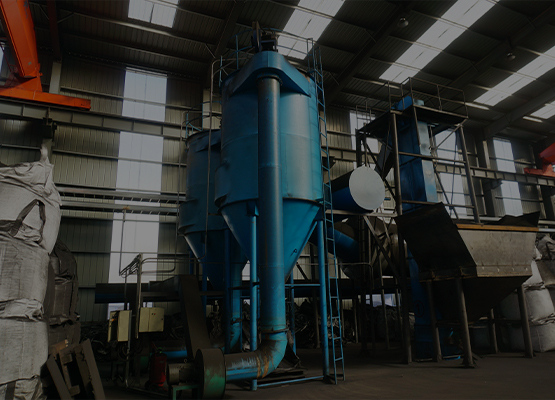
The production process for TFC 189 graphite is meticulous and requires advanced technology to ensure quality and purity. The process starts with the selection of high-quality raw materials, which are then subjected to high temperatures in a controlled environment. This high-temperature treatment promotes the crystallization of carbon, resulting in a fine, uniform product. The final step includes careful molding and machining to meet specific industry standards. This thorough production cycle guarantees that TFC 189 maintains its desired properties and performance levels, distinguishing it from other grades of graphite.
Applications of TFC 189 Graphite
TFC 189 graphite finds a multitude of applications across various industries
1. Electronics In the electronics sector, TFC 189 is widely used in the production of batteries and fuel cells. Its exceptional conductivity improves energy transfer and efficiency, making it a staple for renewable energy technologies.
2. Automotive The automotive industry leverages TFC 189 graphite in braking systems, gaskets, and seals. Its resistance to wear and ability to perform well in high-temperature conditions enhance the durability and performance of automotive components.
3. Steel and Metal Industries This grade of graphite is also employed in foundries and steel production where it serves as a lubricant and as a material for carbon additives. Its properties help to improve the quality of steel and iron products by enhancing their fluidity during the manufacturing process.
4. Aerospace The aerospace sector benefits from TFC 189 graphite's thermal stability, utilizing it in insulation and other high-performance applications where material integrity is crucial under extreme conditions.
Conclusion
As industries continue to evolve and seek materials that can withstand the demands of modern technology, TFC 189 graphite stands out as a superior choice. Its unique combination of electrical conductivity, thermal stability, and mechanical strength makes it indispensable across various applications. With ongoing advancements in production techniques and a growing understanding of graphite's potential, TFC 189 is poised to play an essential role in the future of materials science and engineering.
 Japanese
  English
  Arabic
  French
  German
  Korean
  Russian
  Spanish
  Vietnamese