Sep . 25, 2024 18:50 Back to list
how to make graphite from wood
Transforming Wood into Graphite A Step-by-Step Guide
Graphite, a remarkable form of carbon known for its electrical conductivity, lubricating properties, and thermal resistance, has been traditionally sourced from natural deposits. However, recent advancements in material science have opened possibilities for synthesizing graphite from more eco-friendly and accessible materials like wood. This article will explore the process of transforming wood into graphite, detailing each step involved and the science behind it.
Understanding the Basics of Graphite
Graphite is an allotrope of carbon, meaning it is one of the several structural forms that carbon can take. What distinguishes graphite from other carbon forms, like diamond, is its layered structure, which allows for unique properties such as flexibility and conductivity. Wood, on the other hand, is primarily made of cellulose, hemicellulose, and lignin. The key to transforming wood into graphite lies in the carbonization process, where organic materials undergo thermal decomposition in an inert atmosphere.
Step 1 Selecting the Right Type of Wood
The first step in making graphite from wood is to select a suitable type of wood. Hardwoods such as oak, maple, and walnut are often preferred due to their higher carbon content and density compared to softwoods. The choice of wood can impact the quality of the resulting graphite, so it is essential to choose clean, untreated wood without any additives or chemicals.
Step 2 Preparing the Wood
Once the wood is selected, it needs to be prepared. This involves cutting the wood into small pieces to increase the surface area, allowing for more efficient carbonization. The wood chunks should be approximately one inch in size. After cutting, the wood should be dried completely to remove any moisture, as this will aid in the carbonization process.
Step 3 Carbonization
how to make graphite from wood
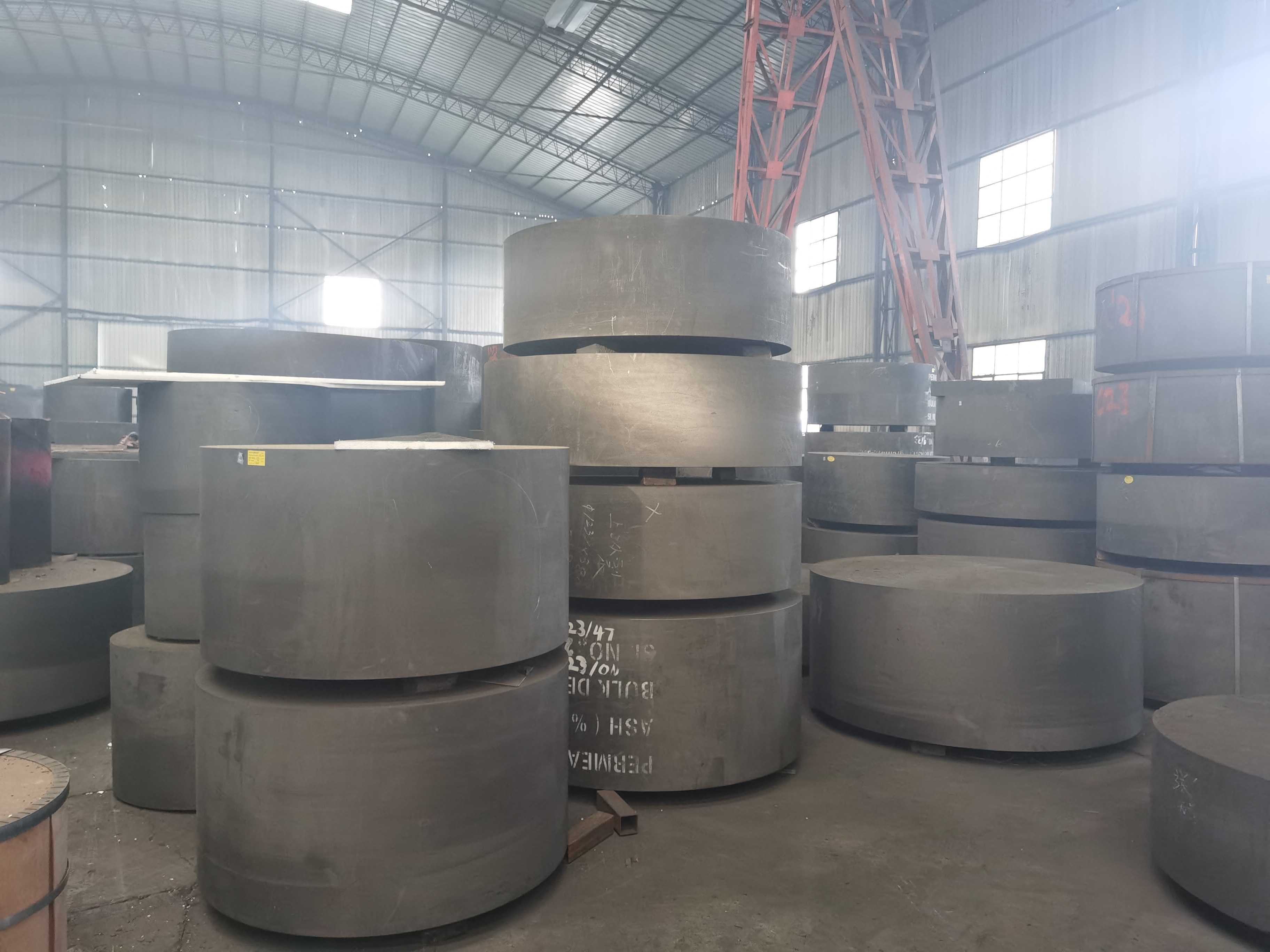
The carbonization process is where the transformation truly begins. This step involves heating the wood in an inert atmosphere, typically using a furnace designed for pyrolysis, where the temperature is gradually raised. The temperature must reach approximately 400 to 800 degrees Celsius (752 to 1472 degrees Fahrenheit) to begin breaking down the organic materials in the wood and converting them to carbon.
During carbonization, the wood vapors are released, and what remains is a carbon-rich material known as char. This material resembles charcoal and contains a significant amount of carbon but still retains some of the structure of the original wood.
Step 4 Graphitization
The char itself isn’t graphite yet, but it can be transformed into graphite through a process called graphitization. This requires even higher temperatures, typically between 2500 to 3000 degrees Celsius (4500 to 5400 degrees Fahrenheit). In this stage, the carbon atoms rearrange themselves into a crystalline structure, forming graphite.
This step often takes place in a specialized furnace or chamber capable of achieving the necessary temperatures without introducing oxygen, which could lead to combustion rather than graphitization.
Step 5 Purification and Treatment
After graphitization, the resulting graphite may need to be purified, depending on its intended use. Impurities can affect the conductivity and other desirable properties of the graphite. Chemical treatments such as acid washing or leaching can help remove unwanted elements, enhancing the purity of the graphite.
Conclusion
The transformation of wood into graphite is a fascinating process that combines material science and sustainable practices. By utilizing wood, a renewable resource, this method not only provides a potential alternative source of graphite but also minimizes dependency on traditional mining activities, which can harm the environment. The future of materials science is promising, and with further research, this eco-friendly approach to graphite production could play a significant role in various industries, including batteries, lubricants, and even advanced materials. As we continue to explore and innovate, the intersection of nature and technology may lead to more sustainable solutions for our material needs.
 French
  English
  Arabic
  German
  Japanese
  Korean
  Russian
  Spanish
  Vietnamese