Nov . 22, 2024 17:03 Back to list
american graphite
The Rise of American Graphite A Key Player in the 21st Century
In recent years, the spotlight has turned toward American graphite as a crucial material in various industries, especially in electronics, renewable energy, and advanced manufacturing. Graphite, a form of carbon, has long been recognized for its unique properties such as conductivity, lubricity, and thermal stability. However, its strategic importance has surged due to the global demand for high-performance materials, particularly in the context of clean energy technologies.
Historically, the United States was once a leading producer of graphite, with mines flourishing in locations like New York and California. However, during the latter half of the 20th century, the industry experienced a significant decline. This shift was largely due to the rise of overseas competition, particularly from countries like China, which dominated the market with lower production costs and less stringent environmental regulations.
The Rise of American Graphite A Key Player in the 21st Century
The U.S. government has recognized the strategic importance of graphite as a critical mineral. In recent years, various initiatives have been launched to boost domestic supply chains. By investing in research and development, enhancing mining technologies, and establishing partnerships with existing graphite producers, America is striving to reduce its dependence on foreign sources. These efforts align with a broader national strategy to ensure the resilience of supply chains for essential technologies, particularly in the face of geopolitical tensions and trade uncertainties.
american graphite
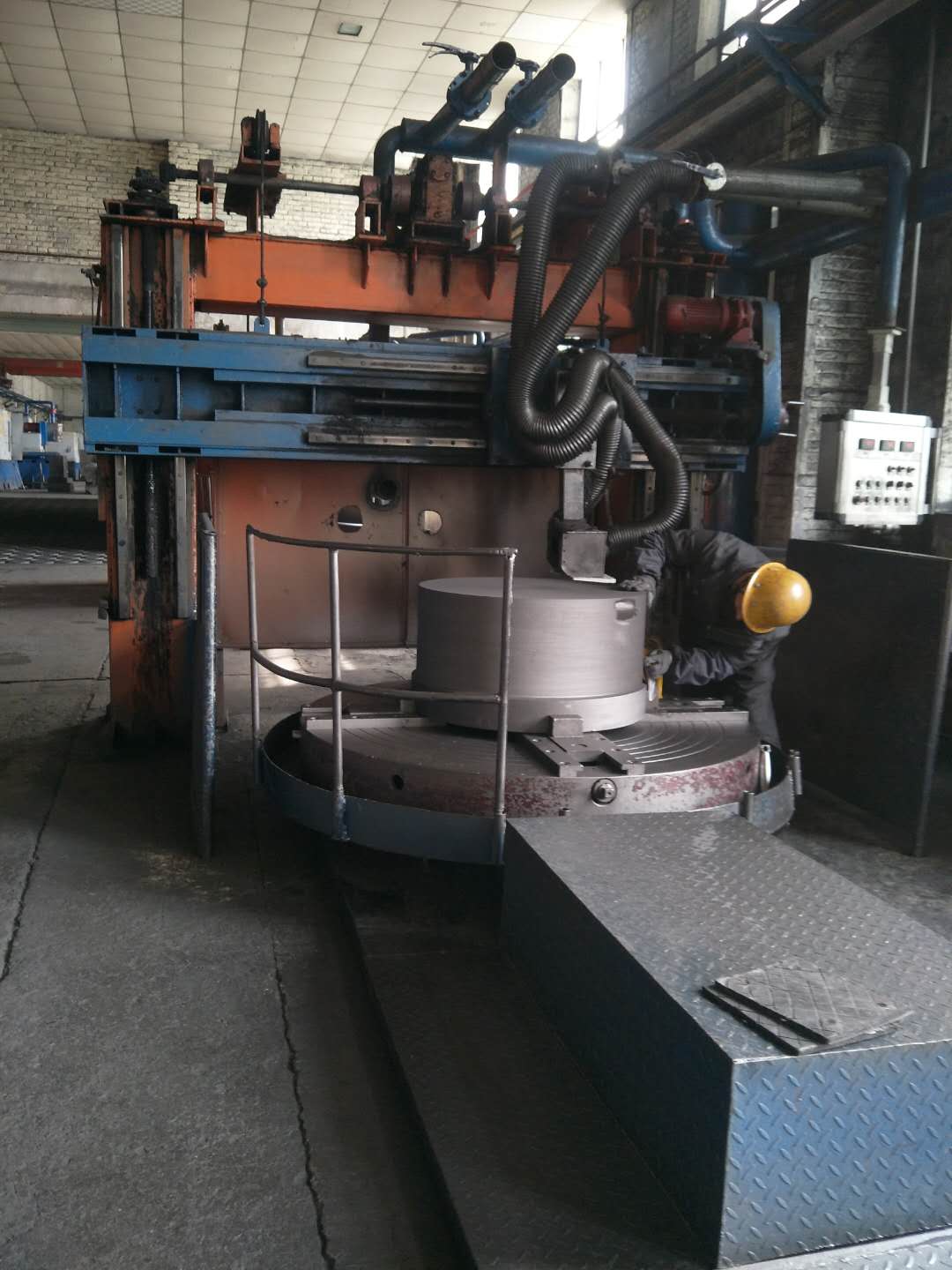
Geologically, the U.S. is endowed with significant graphite reserves. Major deposits have been identified in states like Alabama, Tennessee, and Quebec, which could potentially supply the burgeoning demand for high-purity graphite needed for industrial applications. Additionally, the emergence of innovative extraction methods, such as environmentally friendlier techniques and recycling options, promises to support sustainable practices in the industry.
The electric vehicle market, in particular, stands to benefit immensely from the resurgence of American graphite. EV batteries typically require a substantial amount of graphite - up to 100 kilograms per vehicle. As the U.S. aims to transition towards a cleaner transportation network, the demand for local graphite production becomes even more critical. Furthermore, as automakers commit to producing more EVs, the U.S. could establish itself as a key player in the supply of battery-grade graphite.
Moreover, the integration of advanced materials technology into sectors like aerospace, defense, and electronics further underscores the importance of graphite. Its application in high-performance components, coatings, and heat management systems showcases its versatility and necessity in modern manufacturing processes.
In conclusion, American graphite is poised for a significant renaissance as industries across the globe shift towards sustainability and advanced technology. With government support, a focus on innovation, and investment in local resources, the U.S. can reclaim its position as a leader in graphite production. If these efforts are pursued diligently, American graphite could not only play a pivotal role in meeting the demands of the present but also lay the groundwork for a sustainable and technologically advanced future. As we move forward, the story of American graphite will undoubtedly be a compelling narrative of resilience and innovation in the face of global challenges.
 French
  English
  Arabic
  German
  Japanese
  Korean
  Russian
  Spanish
  Vietnamese