Nov . 11, 2024 18:28 Back to list
80-150mm graphite petroleum coke factories
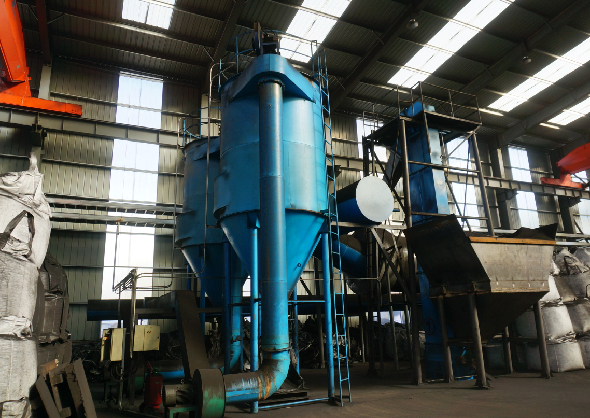
An Overview of 80-150mm Graphite Petroleum Coke Factories
Graphite petroleum coke (GPC) is a crucial raw material used in the production of various industrial products, especially in the aluminum and steel industries. The manufacturing process of GPC involves the high-temperature treatment of petroleum coke, which transforms it into a high-carbon material with superior properties, including low sulfur and low impurities. This article delves into the significance of 80-150mm graphite petroleum coke factories, examining their production processes, applications, and the implications for various industries.
Production Process
The primary raw material for producing graphite petroleum coke is petroleum coke, a byproduct of the oil refining process. The petroleum coke used ranges from sponge to calcined types, which are then subjected to high-temperature treatment in a calcining furnace. The process typically involves heating the coke to temperatures exceeding 1200°C, which helps in graphitization, a phenomenon that enhances the crystallinity of the carbon structure.
In the context of an 80-150mm GPC factory, one key aspect is the sizing of the product
. The 80-150mm range indicates the size of the GPC particles, which is crucial for its use in various applications. Factories producing GPC typically include state-of-the-art screening and sizing equipment to ensure that the final product meets the required specifications.Applications of Graphite Petroleum Coke
Graphite petroleum coke is widely utilized across various sectors, primarily due to its excellent thermal and electrical conductivity.
1. Aluminum Production One of the most significant uses of GPC is in the aluminum industry. It serves as a carbon additive in the production of aluminum, helping to enhance the quality of the final product. The carbon content in GPC helps to reduce the levels of impurities in the aluminum, thereby improving the overall quality and efficiency of the smelting process.
80-150mm graphite petroleum coke factories
2. Steel Manufacturing In the steel industry, GPC is used as a recarburizer. The addition of carbon from GPC during the steel-making process helps in achieving the desired carbon content in the steel alloy, which is critical for obtaining the necessary strength and hardness in the final product.
3. Batteries and Fuel Cells The increasing demand for energy storage solutions has led to the use of GPC in the production of electrodes for batteries and fuel cells. Its high conductivity and resiliency make it an ideal choice for these applications, contributing to the development of efficient energy storage systems.
4. Foundry and Casting GPC is also used in foundry applications, acting as a carbon additive in the production of foundry alloys. The use of GPC in casting processes helps in improving the surface finish of cast products, thus enhancing their quality.
Environmental Considerations
The production of graphite petroleum coke and its applications raise several environmental concerns. The manufacturing process can generate significant emissions, and the use of petroleum-based products contributes to the overall carbon footprint of industrial operations. To address these challenges, many factories are implementing cleaner technologies and practices aimed at reducing emissions and minimizing waste.
In recent years, sustainable production methods and innovations, such as carbon capture and storage (CCS) technologies, have gained traction. Factories are increasingly focusing on recycling spent materials and utilizing waste heat generated during production processes. These measures not only contribute to a reduction in the environmental impact but also offer potential cost savings for manufacturers.
Conclusion
In conclusion, 80-150mm graphite petroleum coke factories play a pivotal role in supplying a key raw material utilized across various industries, particularly in aluminum and steel production. As demand for high-quality GPC continues to rise, the importance of efficient and environmentally sound production methods is emphasized. The ability to adapt to changing market needs while minimizing environmental impacts will be a determining factor in the success and sustainability of GPC manufacturing in the coming years. With ongoing advancements in technology and a focus on sustainable practices, the future of graphite petroleum coke factories appears promising, ensuring their vital role in industrial applications worldwide.
 French
  English
  Arabic
  German
  Japanese
  Korean
  Russian
  Spanish
  Vietnamese