Feb . 19, 2025 00:36 Back to list
is graphite metallic
Graphite A Unique Blend of Non-Metallic and Metallic Properties
From the perspective of expertise, professionals dealing with high-temperature operations often lean towards graphite. Its ability to withstand extreme temperatures without degrading makes it indispensable in industries such as steelmaking, where it acts as a critical component in the lining of blast furnaces. This not only aids the process but ensures the longevity of industrial equipment. The authority of graphite in the energy sector further solidifies its classification as a vital industrial material. Graphite’s role is expanding in the green energy field, particularly in advanced battery technologies. Lithium-ion batteries, essential for powering electric vehicles and portable electronics, use graphite as an anode material due to its efficient energy storage and structural stability. Trust in graphite as a material is bolstered by extensive research and its long history of use. Academic institutions and research bodies continue to explore graphite's potential, discovering new applications and enhancing existing technologies. This ongoing research and development affirm its credibility as a material that industries can rely upon for both traditional usage and innovative applications. Graphite’s market demand is on the rise, notably driven by technological advancements and environmental considerations. Industries are progressively recognizing the value it brings in reducing carbon footprints, making processes more sustainable, and enabling groundbreaking technologies. This increasing demand and research investments underscore graphite's pivotal role in modern and future industries. In conclusion, whether graphite is metallic or non-metallic might remain a delightful paradox. However, its real-world applications and the benefits it provides are tangible and impactful. Hence, understanding and leveraging graphite's unique characteristics can lead to significant advancements in both product development and sustainable industry practices. For those invested in innovation, graphite is not just a material; it's a pivotal component of progress.

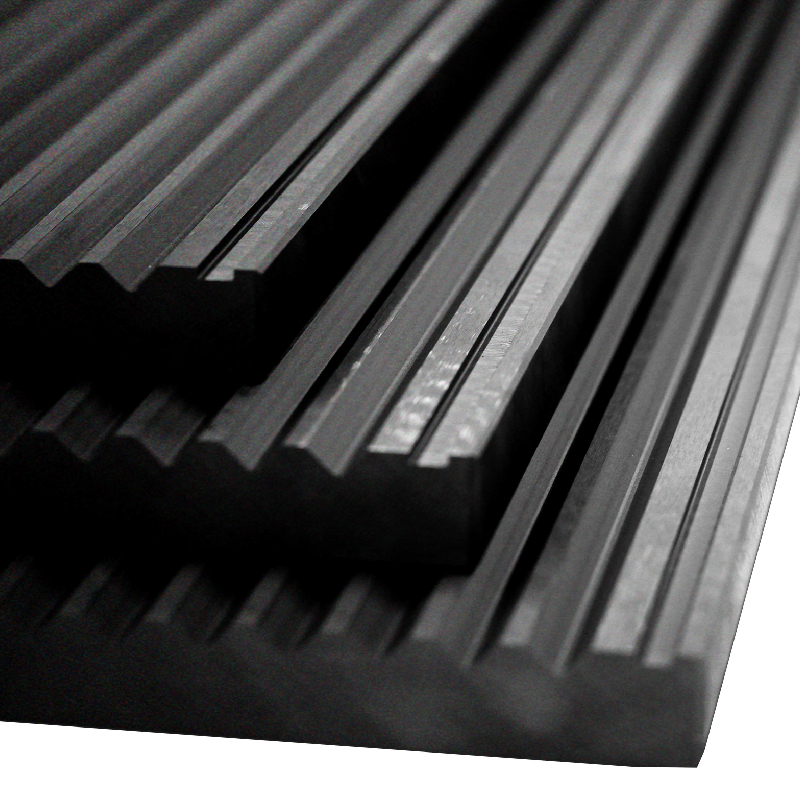
From the perspective of expertise, professionals dealing with high-temperature operations often lean towards graphite. Its ability to withstand extreme temperatures without degrading makes it indispensable in industries such as steelmaking, where it acts as a critical component in the lining of blast furnaces. This not only aids the process but ensures the longevity of industrial equipment. The authority of graphite in the energy sector further solidifies its classification as a vital industrial material. Graphite’s role is expanding in the green energy field, particularly in advanced battery technologies. Lithium-ion batteries, essential for powering electric vehicles and portable electronics, use graphite as an anode material due to its efficient energy storage and structural stability. Trust in graphite as a material is bolstered by extensive research and its long history of use. Academic institutions and research bodies continue to explore graphite's potential, discovering new applications and enhancing existing technologies. This ongoing research and development affirm its credibility as a material that industries can rely upon for both traditional usage and innovative applications. Graphite’s market demand is on the rise, notably driven by technological advancements and environmental considerations. Industries are progressively recognizing the value it brings in reducing carbon footprints, making processes more sustainable, and enabling groundbreaking technologies. This increasing demand and research investments underscore graphite's pivotal role in modern and future industries. In conclusion, whether graphite is metallic or non-metallic might remain a delightful paradox. However, its real-world applications and the benefits it provides are tangible and impactful. Hence, understanding and leveraging graphite's unique characteristics can lead to significant advancements in both product development and sustainable industry practices. For those invested in innovation, graphite is not just a material; it's a pivotal component of progress.
Latest news
 Spanish
  English
  Arabic
  French
  German
  Japanese
  Korean
  Russian
  Vietnamese