-
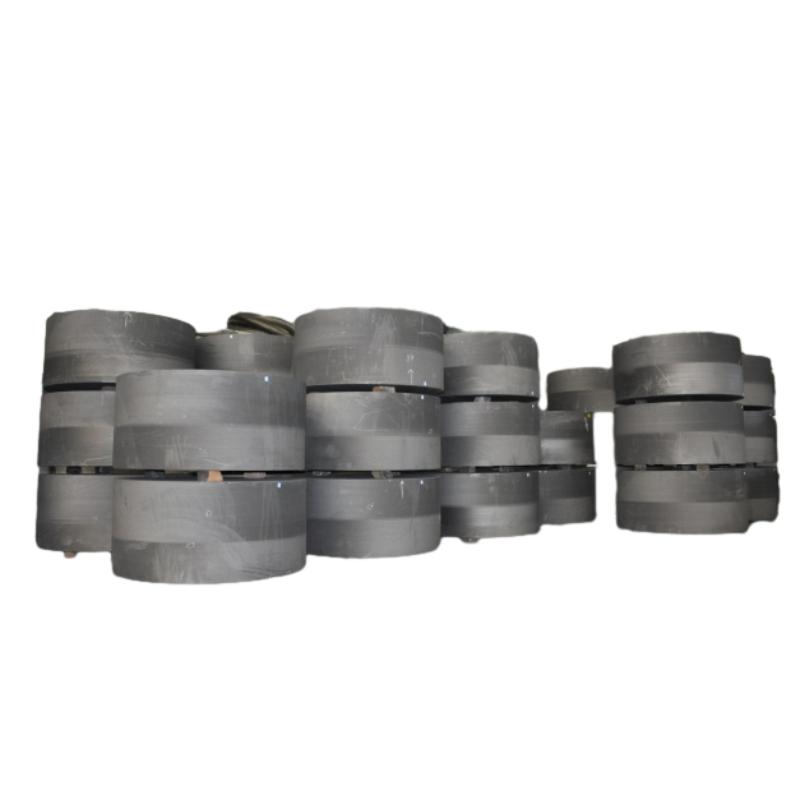
graphite series-Why is Graphite used as an Electrode?
Studying the chemistry of graphite reveals that it is a stacked layer of graphene that makes it ideal for use as an electrode. Graphite has high electrical conductivity, is chemically inert, and has a poor heat conducting capacity.However, graphite is relatively inexpensive and easy to machine that’s why considered an ideal element for machining work. This element is also resistant to abrasion and oxidation, making it ideal for use in many applications.Additionally, graphite electrodes can be machined into complex shapes and sizes, and they can be laser-etched to allow for precision and accuracy.This makes graphite suitable for Top Graphite Product Manufacturers & Dealers in many applications and is specifically designed to meet the needs of any metalworking or manufacturing project.Read more -
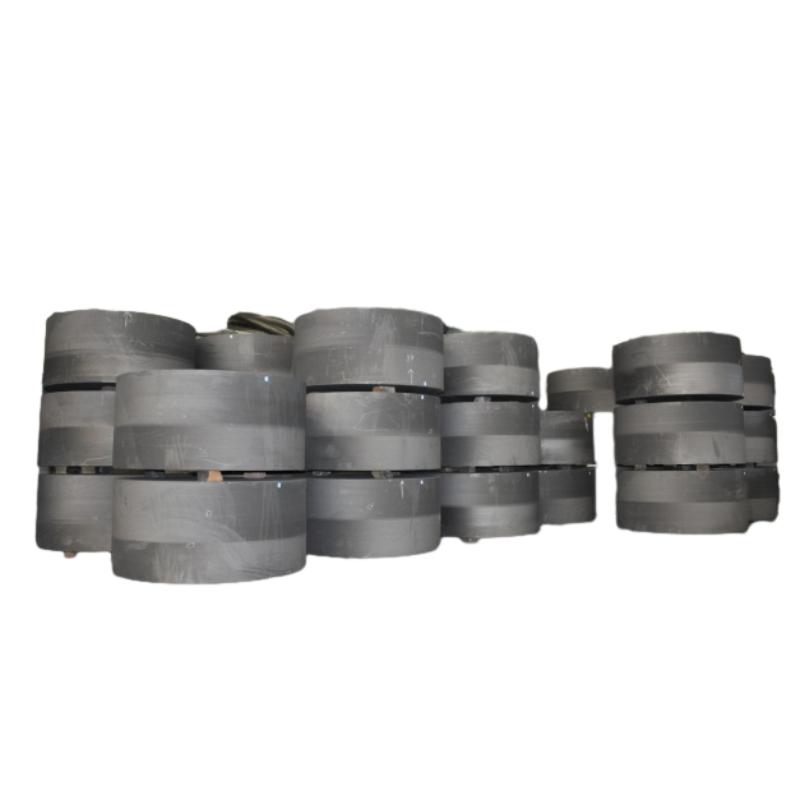
Why are Graphite Electrodes Used in Electrolysis?-graphite cleaner
As a Graphite Electrodes Supplier, share with you. The main factor that graphite electrodes are utilized in electrolysis is that graphite is a superb conductor. The structure of graphite is such that it has a great deal of electrons floating easily between the various layers of atoms (graphite bonds are developed of only three out of the four electron shells of the carbon atom, leaving the 4th electron to move easily). These electrons serve as an effective conductor, enabling the electrolysis process to progress smoothly. In addition, graphite is economical, steady at heats as well as hard-wearing. For all these reasons, Graphite Electrodes are often utilized in electrolysis.Read more -
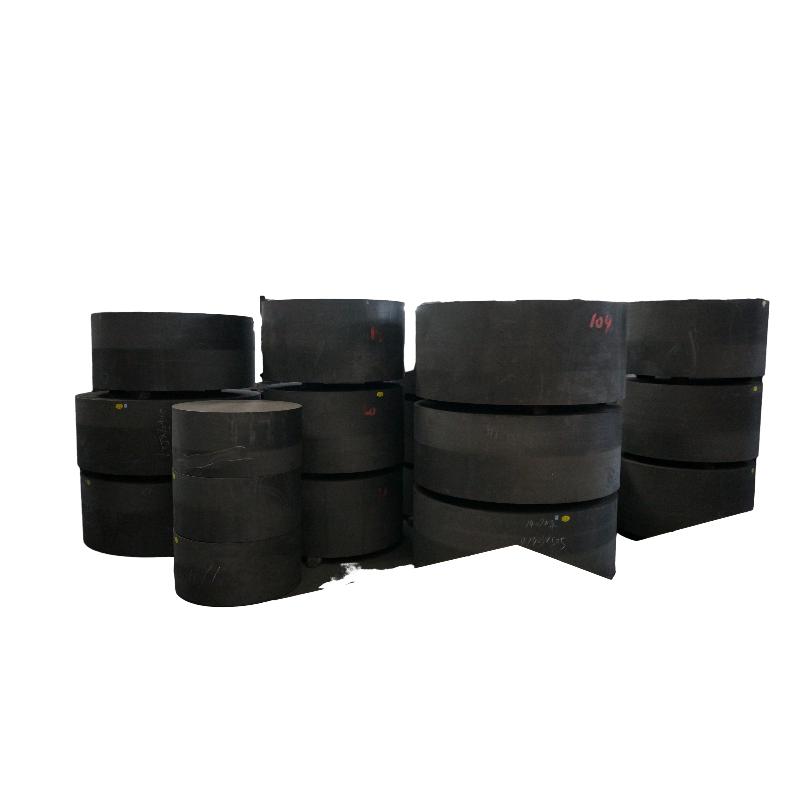
graphite adhesive-What is carbon and graphite electrodes?
Carbon and graphite electrodes are two different types of electrodes used in various industrial processes, particularly in metallurgy and electrical applications. They are both made from carbon materials, but they have different properties and applications due to differences in their composition and structure.Read more -
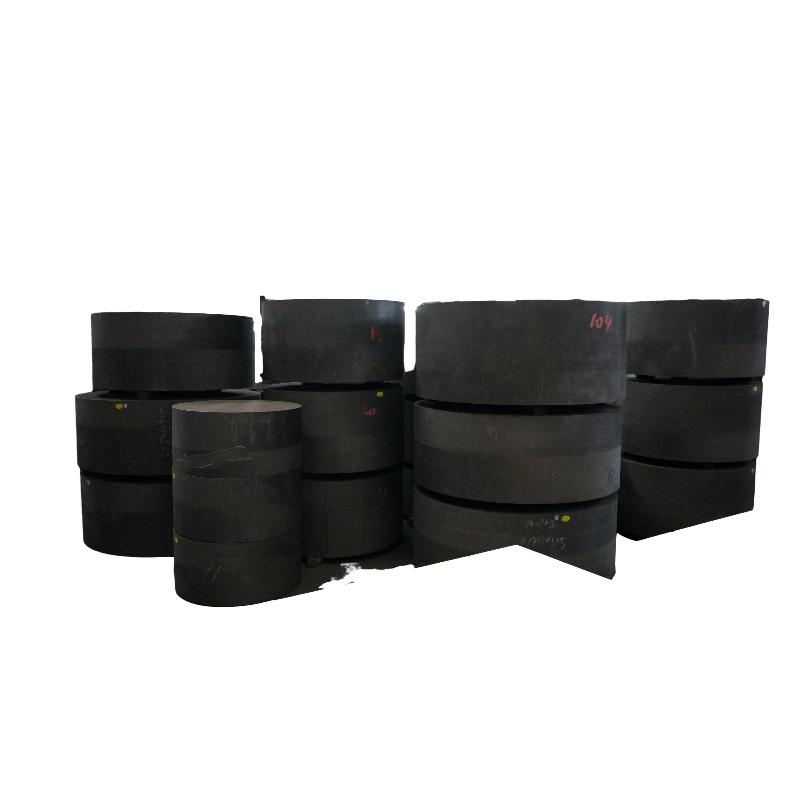
graphite silicone-Why is Graphite Better Than Copper as an Electrode Material ?
However, the final verdict is the one that popularity of usage points towards, which is undoubtedly Graphite. As much as 70% of all EDM electrodes that you will find globally are EDM Graphite. The number is significantly more significant in mainland US, where it accounts for a whopping 95% of all electrodes used. The question that will naturally come to your mind is why such a large majority of people choose graphite EDM electrodes over copper EDM electrodes. Let's delve into that.Read more -
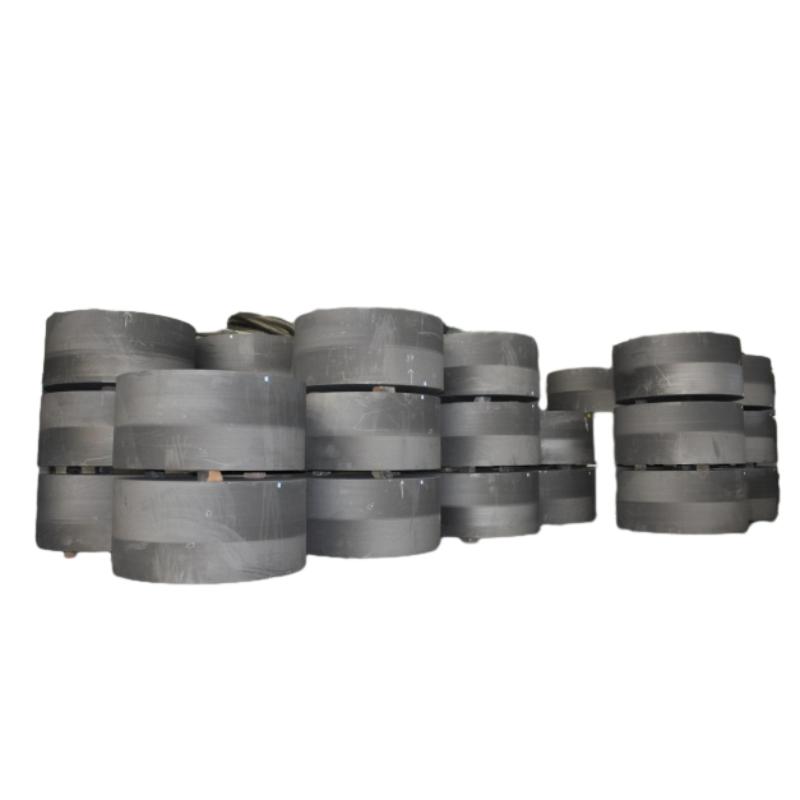
graphite mould-The consumption mechanism of graphite electrodes
Graphite electrode is used as a conductive material in electric arc furnace smelting, and its consumption is proportional to the consumption of electric work. Modern electric arc furnace steelmaking uses electric energy and chemical energy as thermal energy sources to achieve the purpose of four removal (P, C, O, S), two removal (gas, impurities), and two adjustments (temperature, composition) in the steelmaking process. The performance of the graphite electrode is mainly reflected in its applicability and consumption, and the consumption of the electrode is directly related to its own quality. The consumption of graphite electrodes in electric arc furnace smelting is mainly composed of the following parts.Read more -
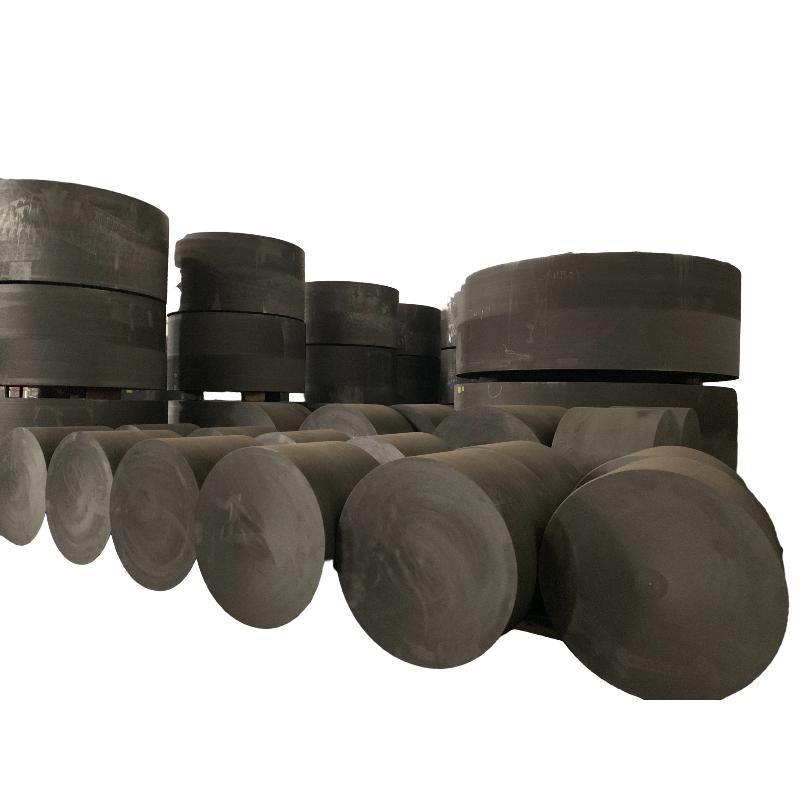
synthetic graphite companies-GRAPHITE ELECTRODES AND THE METALS INDUSTRY
Why are graphite electrodes crucial to the metals industry?The industry has been growing progressively for some time. In recent years its progress has been rapid, particularly as a result of the decarbonisation of the steels and metals industry.As a leading power in both industries, China sees the highest quantities of graphite electrodes both produced and used across the globe.COVID-19 has affected us all, from China to the UK, and this has been no different for the steel industry. Shortages and an affected workforce led to longer lead times and less business overall.Having said this, the Chinese steel industry has been making an impressive come-back from these initial worries.Read more -
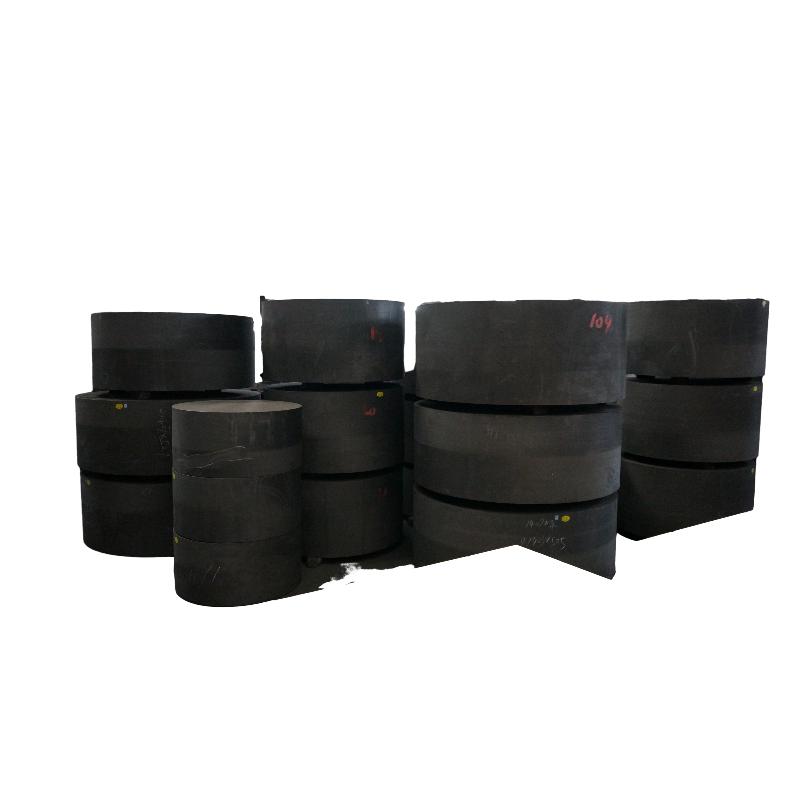
Why Are Electrodes Made Of Graphite-synthetic graphite
The key to answering the question, “why are electrodes often made of graphite?”, is to consider the structure of graphite. In graphite, the carbon atoms are arranged in layers, retaining their structure through the use of covalent bonds. A significant feature of graphite’s structure is the number of delocalized electrons which are present. Graphite requires only three of its outer energy electrons to bond, leaving the fourth free to act in a delocalized manner. Delocalized electrons are not readily associated with a particular atom and move freely. These electrons enable graphite to exhibit a high level of conductivity, explaining why the material is frequently used for electrodes.Read more -
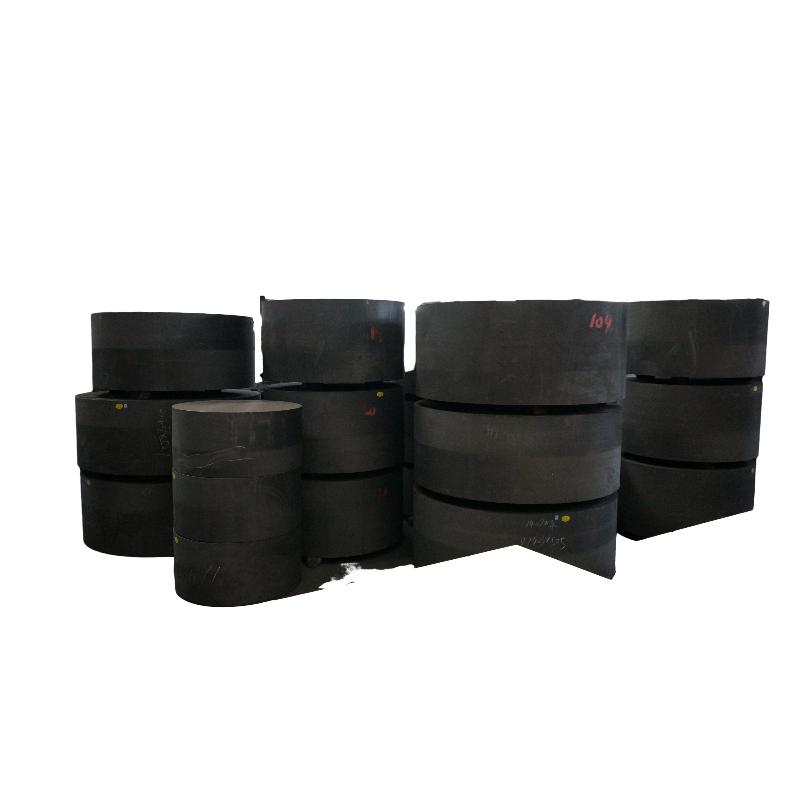
graphite crucible-Why is graphite used for electrodes?
Electrodes can be made from any conductive material. Depending on the nature of the application, electrodes are typically from graphite. Noble metals like gold, silver or platinum can be used but are very expensive. Copper, titanium and brass are other options, but they are also costly.Graphite is used as an electrode material because it is a good conductor of electricity, is chemically stable, and can withstand high temperatures. It also has a low reactivity and thermal expansion coefficient, making it suitable for electrode use in electrochemical cells.Read more
 Spanish
  English
  Arabic
  French
  German
  Japanese
  Korean
  Russian
  Vietnamese