Nov . 27, 2024 16:29 Back to list
Exploring the Applications and Benefits of CNC Machined Graphite Materials
The Role of CNC Machining in Graphite Processing
CNC (Computer Numerical Control) machining has become an integral part of various manufacturing processes, particularly in working with materials such as graphite. Graphite, known for its lubricating properties and thermal conductivity, is widely utilized in industries ranging from aerospace to electronics. With the rise of CNC technology, the efficiency and precision of graphite machining have improved significantly, allowing manufacturers to adopt more complex designs and achieve tighter tolerances.
Understanding Graphite
Graphite is a unique form of carbon that possesses several desirable properties. It has excellent thermal conductivity, making it an ideal choice for high-temperature applications. Additionally, its lubricity allows it to be used in scenarios where friction needs to be minimized. These characteristics make graphite a popular choice for components such as electrical contacts, heat sinks, gaskets, and even in high-performance batteries. However, due to its material properties, graphite can be challenging to machine using traditional methods.
The Advantages of CNC Machining
CNC machining offers numerous advantages when working with graphite. One of the primary benefits is precision. CNC machines follow pre-programmed computer software to execute tasks with high accuracy, reducing human error considerably. This precision is vital when manufacturing parts that require exact dimensions and tolerances, as is often the case in technical applications.
Another significant advantage is automation. CNC machines can operate continuously without the need for constant operator supervision. This capability is particularly beneficial for high-volume production runs, where maintaining consistency is crucial. The automation provided by CNC technology helps streamline the machining process, leading to greater efficiency and reduced labor costs.
Techniques in CNC Machining of Graphite
cnc graphite
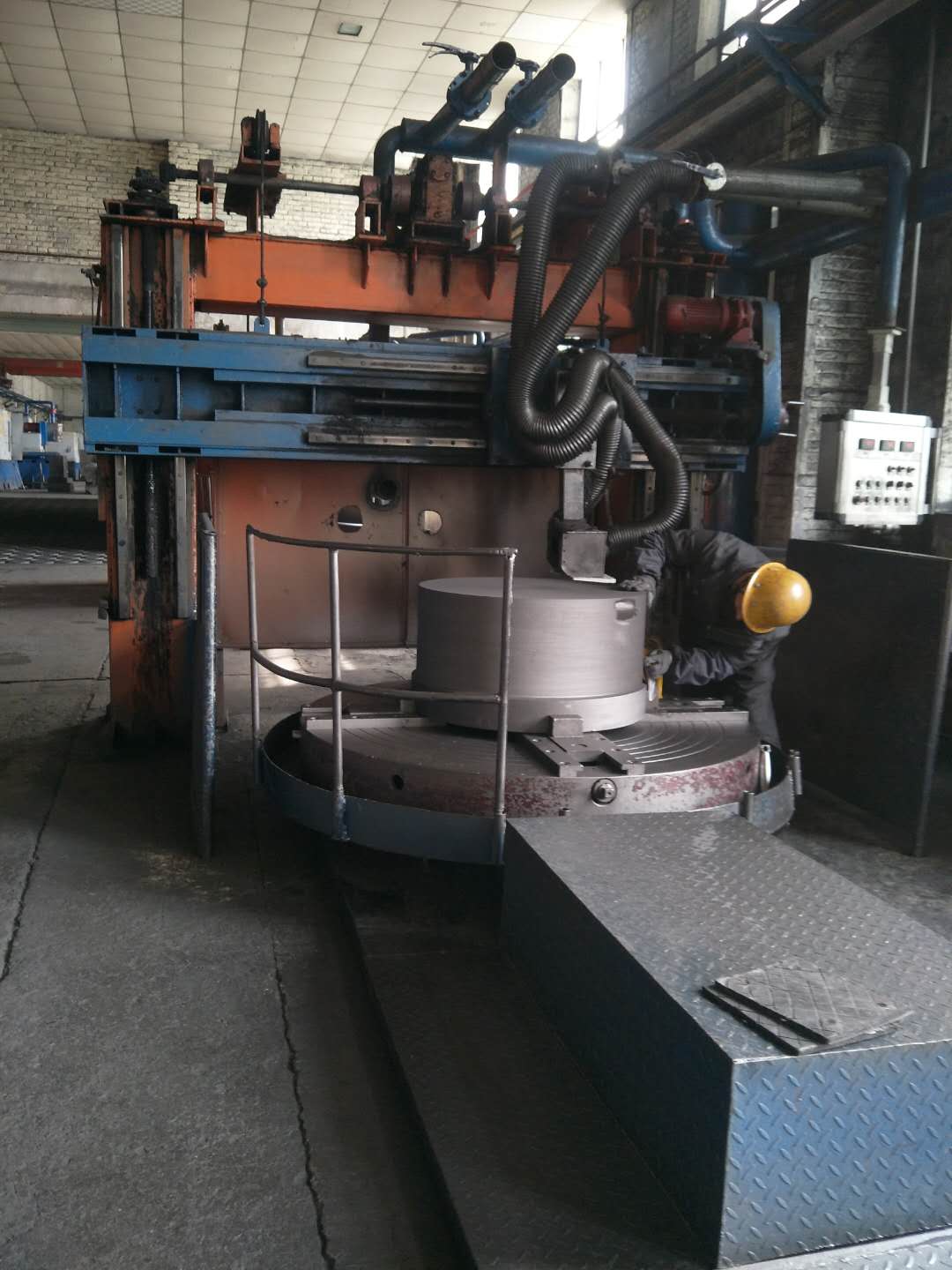
CNC machining of graphite involves several specialized techniques to accommodate the material's unique properties. One common method is milling, where rotating cutting tools remove material from the graphite workpiece. Special care must be taken in choosing the right tools; carbide tools or diamond-coated cutters are often preferred due to their durability and ability to maintain sharp edges.
Another technique is CNC turning, where the graphite piece is rotated against a cutting tool. This is especially useful for producing cylindrical shapes, such as rods or tubes, which can be critical for certain applications. The key challenge here is managing the dust produced during the machining process; graphite dust can be harmful if inhaled and can affect the performance of machines if not appropriately filtered.
Electrical discharge machining (EDM) is another technique used in conjunction with CNC technology to shape graphite. EDM is particularly effective in producing complex geometries and intricate designs. This technique utilizes electrical discharges to erode the graphite material, allowing for a high degree of customization.
Applications of CNC-Machined Graphite
The applications of CNC-machined graphite are extensive. In the aerospace industry, for instance, graphite components are used in heat shields and insulation parts. In the electronics realm, machined graphite is often found in components like battery housings and electrode materials. Moreover, the automotive industry employs graphite for seals and gaskets due to its excellent resistance to heat and wear.
Additionally, the energy industry is seeing increased use of graphite in batteries, particularly lithium-ion batteries, where CNC machined components are essential for optimizing performance and energy storage capacity.
Conclusion
CNC machining has revolutionized the way manufacturers work with graphite, enabling them to create complex, high-precision parts efficiently. As industries continue to demand higher performance and tighter tolerances, the importance of CNC technology in graphite processing is expected to grow. By facilitating enhanced productivity and consistent quality, CNC machining not only elevates the manufacturing capabilities of graphite components but also paves the way for innovative applications in various sectors. As we look ahead, the integration of CNC technology with emerging materials will likely reshape the landscape of modern manufacturing.
 German
  English
  Arabic
  French
  Japanese
  Korean
  Russian
  Spanish
  Vietnamese