-
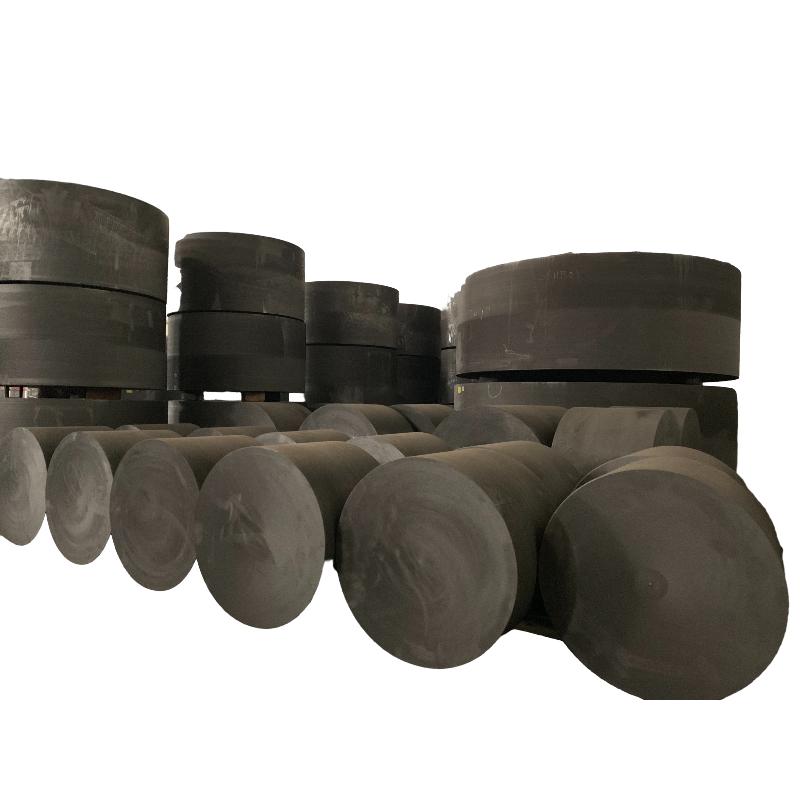
Induced Stress in Commercial Graphite Electrodes-solid graphite block-Diffusion
The cyclic stress evolution induced by repeated volume variation causes mechanical degradation and damage to electrodes, resulting in reduced performance and lifetime of LIBs. To probe the electro-chemo-mechanical coupled degradation, we conducted in situ measurements of Young’s modulus and stress evolution of commercial used graphite electrodes during multiple cycles. A bilayer graphite electrode cantilever is cycled galvanostatically in a custom cell, while the bending deformation of the bilayer electrode is captured by a CCD optical system. Combined with a mechanical model, Li-concentration-dependent elastic modulus and stress are derived from the curvature of the cantilever electrode. The results show that modulus, stress and strain all increase with the lithium concentration, and the stress transforms from compression to tension in the thickness direction. During multiple cycles, the modulus decreases with an increase in the cycle number at the same concentration. The maximum stress/strain of each cycle is maintained at almost same level, exhibiting a threshold that results from the co-interaction of concentration and damage. These findings provide basic information for modeling the degradation of LIBs.Read more -
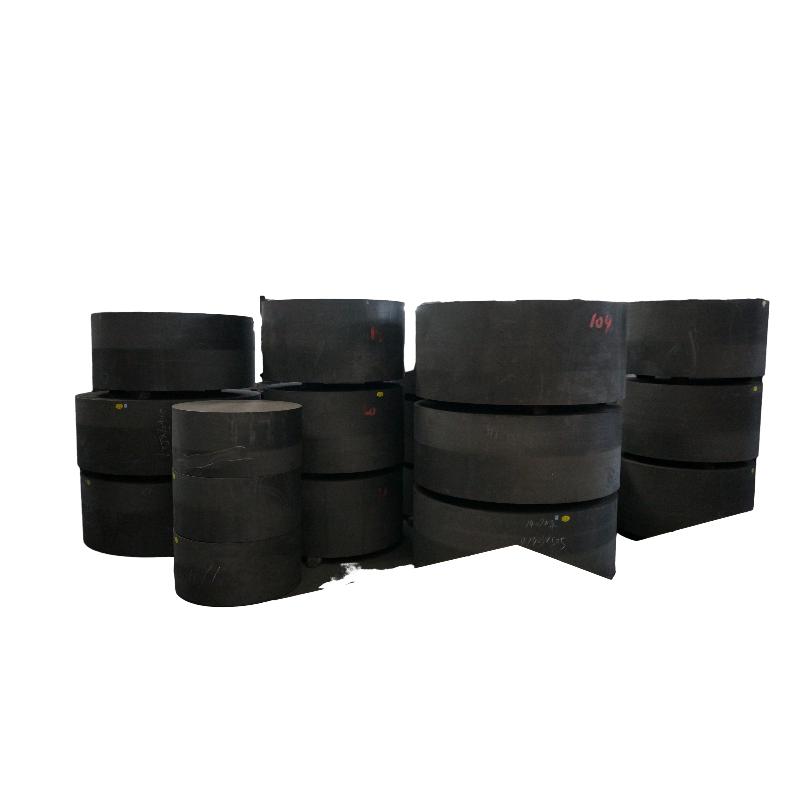
rt1 graphite rod- silicon-Performance determinants for silicon-graphite electrode evaluation
The mass loading of silicon-graphite electrodes is often considered a secondary parameter when testing their electrochemical performance. However, if sacrificial additives are present in the electrolyte to improve electrochemical performance, the electrode loading becomes the determining factor in battery cycle life. The correlation between mass loading, electrolyte additives and binder type was investigated by analyzing the cyclic behavior of silicon graphite electrodes prepared with water-based binders with mass loading ranging from 3 to 9.5 mg cm -2 and used FEC electrolyte circulation additive while maintaining electrolyte quality constant. By keeping the slurry preparation steps constant for different adhesives, lower loads can be achieved and result in longer service life for some adhesives. In contrast, when the final load is held constant, the performance becomes independent of the adhesive used. Since such results may lead to a misunderstanding of the effect of electrode composition on cycling stability (and in our case to the superiority of one binder over another), we recommend that long-term electrochemical testing of silicon-graphite electrodes be Chemical performance data for comparison need to be always collected by using the same mass loading and constant electrolytes and additives.Read more -
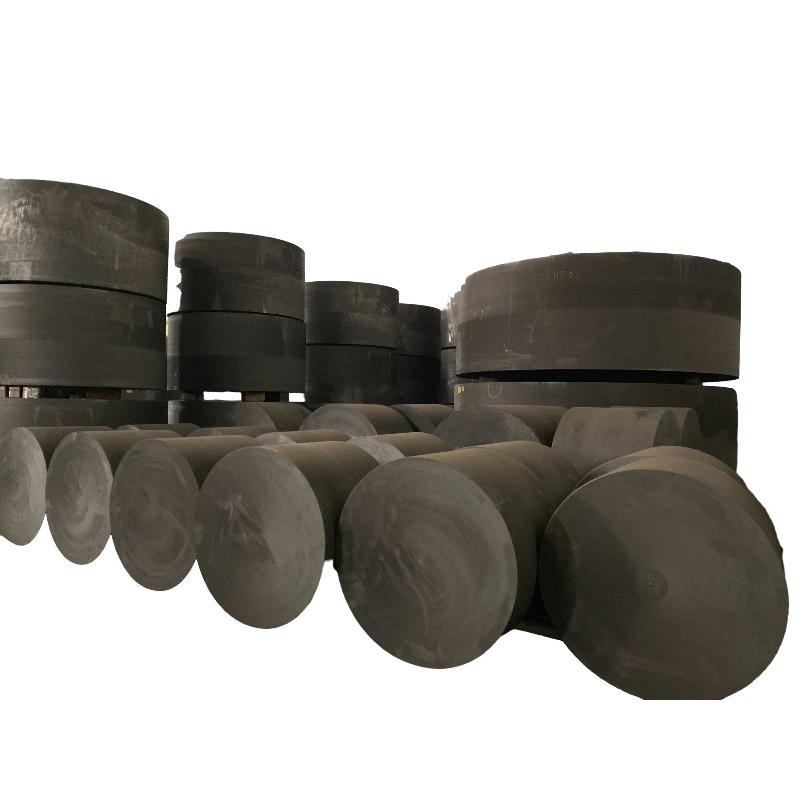
modified activated carbon-What’s going on with the graphite electrodes?
Graphite electrodes are made from needle coke with a high content of sulphur and coal tar. This combination brings many environmental objections. For this reason, production of this consumable moved to China, where environmental issues did not matter. But, today, Chinese authorities can no longer ignore the quality of their air. China produces 70–80% of the global supply of graphite. Thus, the world of metal, as we know it, depends on China. Electric arc furnaces work with these electrodes.Read more -
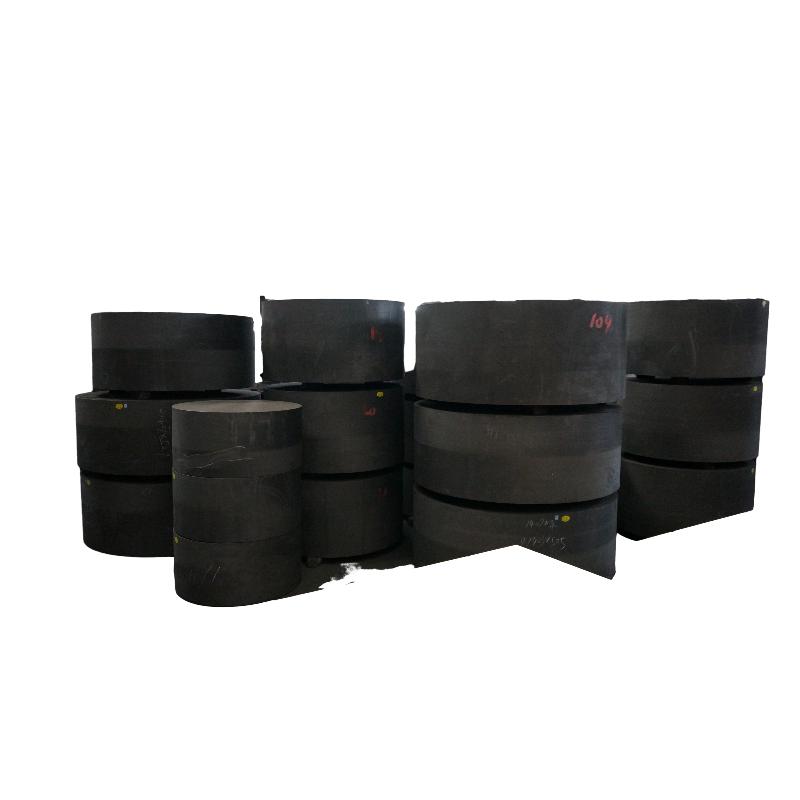
high density graphite block-Why are carbon electrodes used in electrolysis?
Carbon is an excellent conductor, which is a vital necessity in the process of electrolysis. When a carbon electrode is utilized, the amount of free flowing electrons within the structure of the element occurs in highly conductive metal. Carbon is also comparatively cheap, remains stable at high temperatures, strong and durable material. Another notable highlight of this electrode is it has a high melting point. Due to all these beneficial factors, it can be employed for an extensive range of reactions and processes. The electrolysis solution includes two rods. When the current is passed through the solution, both rods carry various chemical or physical effects. When it receives electrons, then positively energized ions move towards the cathode. And, the negatively energized ions flow towards an anode that is positive, and it loses electrons. It is created by an allotrope of carbon compounds, which is known as graphite. They are made from combining multiple carbon atoms in a hexagonal pattern and combined with more quantity of hexagonal to make a layer. Carbon electrodes are utilized for different purposes where electron transfer is needed and are used commonly during the process of electrolysis.Read more -
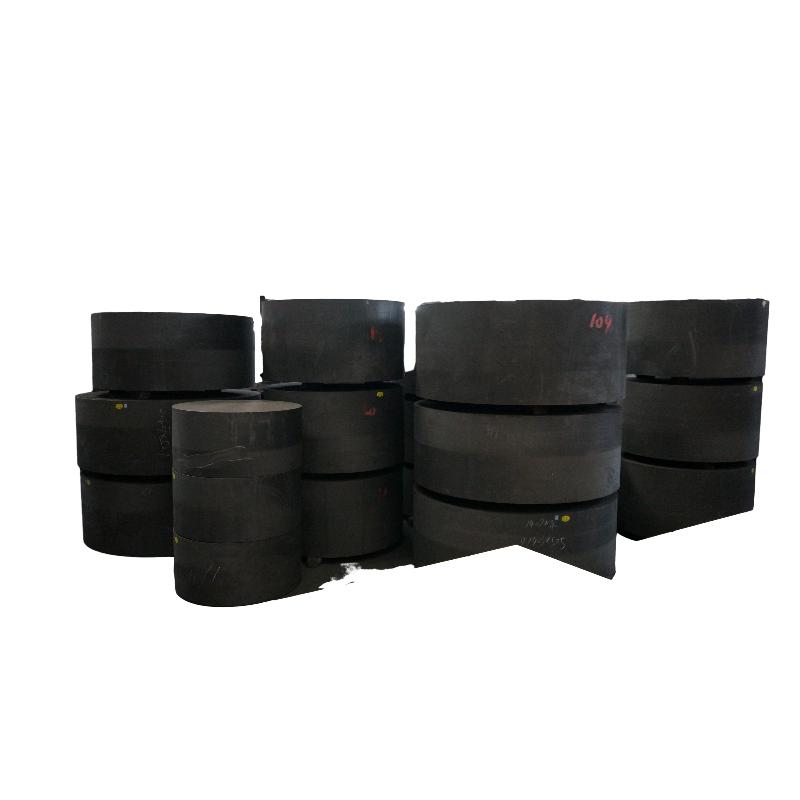
granulated coconut shell charcoal-GRAPHITE ADVANTAGES
Graphite used for EDM machining is an isotropic material with a grain size ranging from a few microns to about 20 microns. In the 1970's, improvements made by graphite manufacturers (isotropic properties, consistent quality, large size billets) combined with the emergence of EDM machines equipped with iso-plus generators, allowed graphite to become the most commonly used material for EDM machining electrodes.Read more -
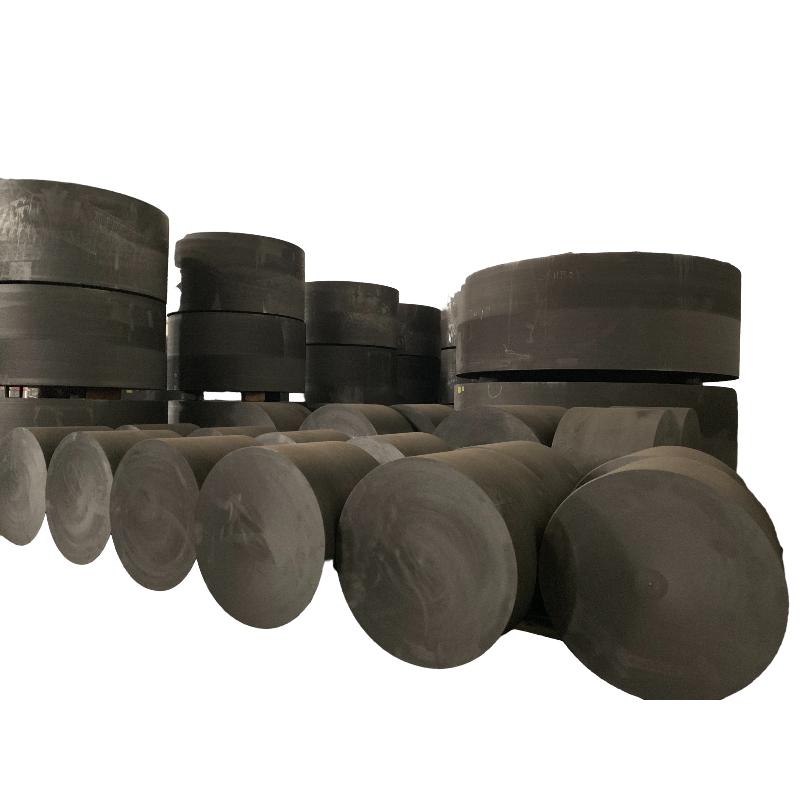
colloidal activated carbon-GRAPHITE ELECTRODE PRICE – RELY ON MARKET DEMAND & RAW MATERIAL SUPPLY
Graphite electrodes are mainly made of petroleum coke, needle coke and coal pitch through calcining, batching, kneading, forming, baking, graphitizing and machining. Graphite electrode is a conductor which releases electric energy in the form of arc in the furnace to heat and melt the charge. The following are the main factors that affect the price fluctuation of graphite electrodes.Read more -
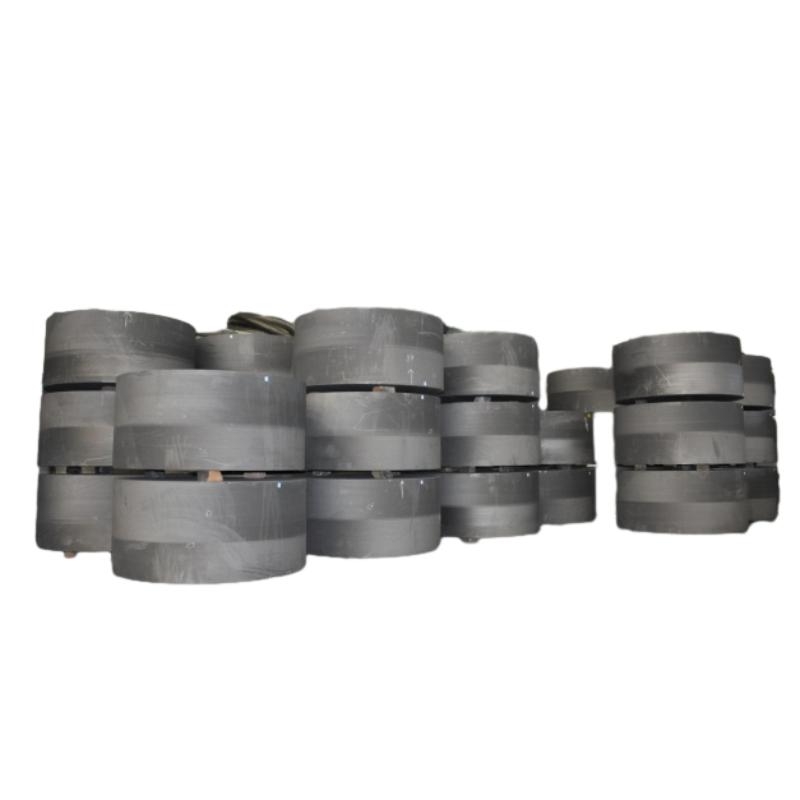
carbon coconut shell-Graphite Electrode Market 2024-2028
Graphite electrode is majorly used in the smelting process to manufacture steel and non-ferrous metals. On average, the production process of graphite electrodes takes 60-70 days and consists of the following steps: forming the electrode, baking, impregnating to improve strength, rebaking, and graphitizing the electrode in an electric furnace. The use of graphite electrodes in the steel manufacturing process is increasing due to properties such as high thermal stability, high electrical conductivity, and anti-corrosive properties.Read more -
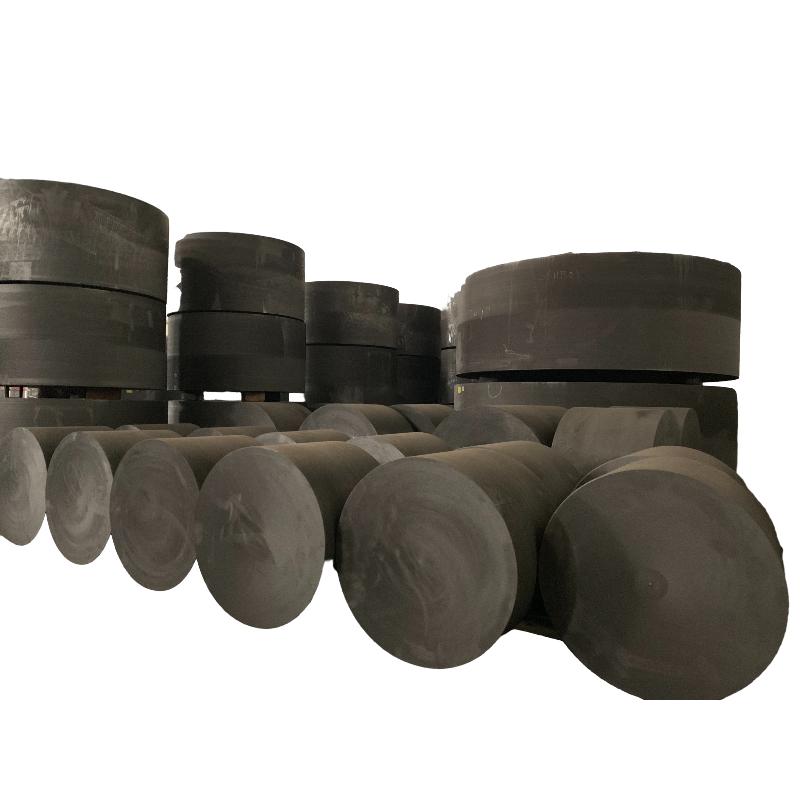
activated charcoal filtration-Graphite EDM Electrode performance
EDM-ing thin ribs is a difficult application. High-speed machining of the electrodes has made it possible to fabricate these electrodes from grades that are not capable of maintaining the detail in the cavity. The ideal graphite grade for thin ribs should have a flexural strength above 700 kgf/cm². Materials that have these properties are normally found in the ultrafine classifications. Without adequate flexural strength, thin-ribbed electrodes can be deflected by flushing pressure or can break during orbiting. Graphite made of tightly packed small particles, will be able to resist erosion at the corners and edges of the electrode better than a material with large particles and pores. A thin ribbed electrode from material in the ultrafine classification can successfully complete the cavity, when the same electrode shape in a superfine or fine classification may crack or break during the cut.Read more -
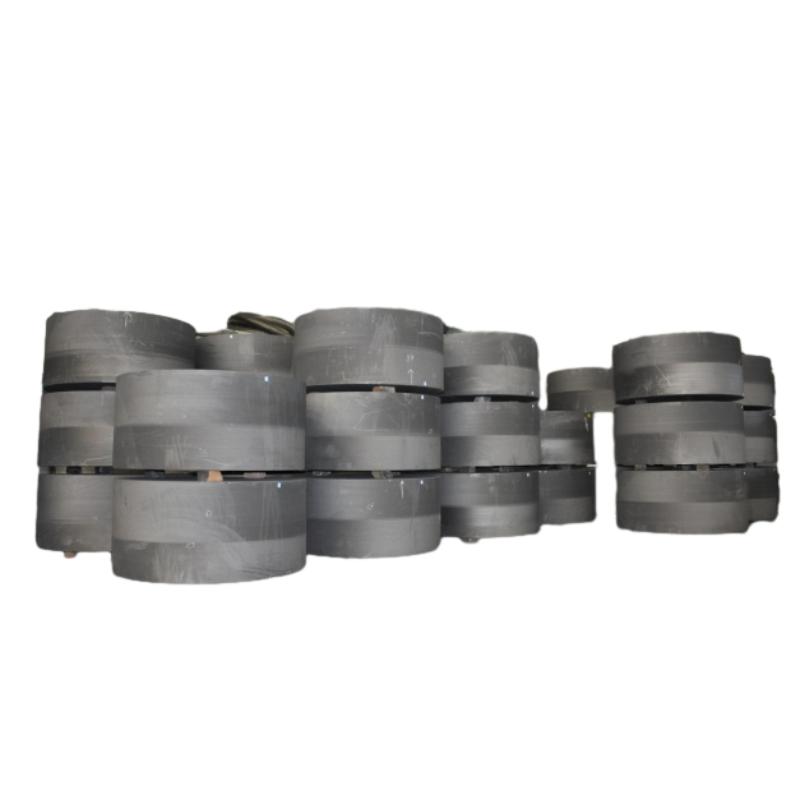
activated charcoal 25kg-Explainer: What is an electrode?
Electricity is essential to life and much of what happens throughout the cosmos. But this flow of electrons does not just occur anywhere and everywhere. It flows as a current and along paths. Metals offer a great path. That’s why scientists refer to metals as conductors: They conduct electricity. But to move electricity through non-metallic materials, scientists need an electrolyte. This is a substance that containsions— charged particles — that allow the current to flow.To make this flow happen, chemists place electrodes in contact with the electrolyte.Electrodes often are made of metal. Sometimes they are graphite. But whatever they’re made of, electrodes must be conductors. These electrodes are key parts of what scientists call an electrochemical cell.Read more
 German
  English
  Arabic
  French
  Japanese
  Korean
  Russian
  Spanish
  Vietnamese